- What is basil?
- History of basil
- What does basil taste like?
- Uses of basil
- How to store basil
- Health benefits of basil
What is Basil?
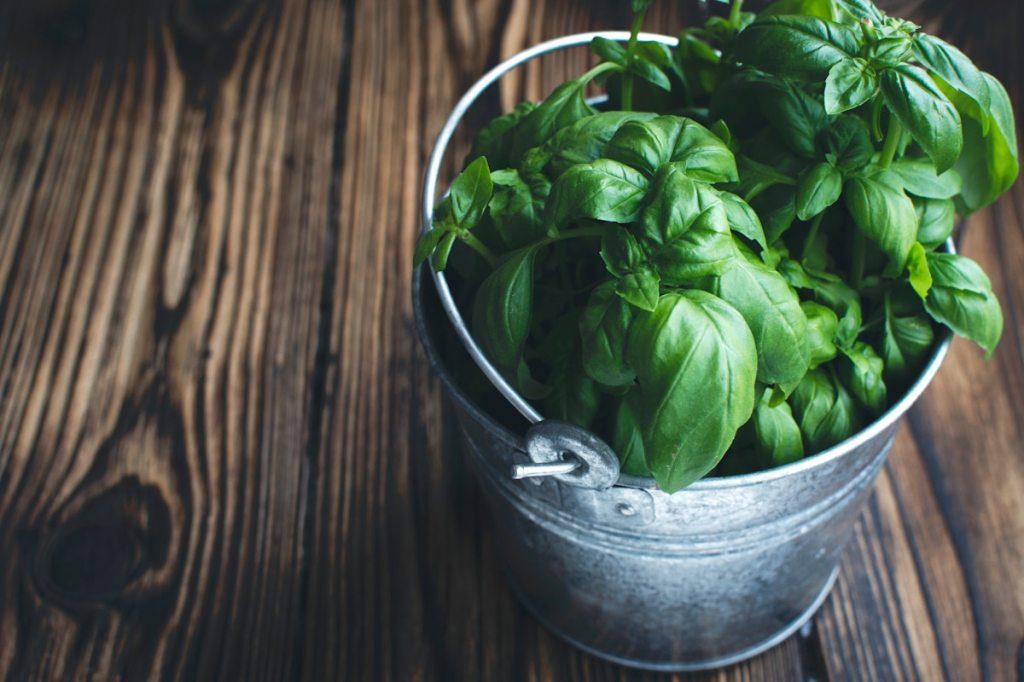
Basil (Ocimum basilicum) is a popular herb that belongs to the mint family, Lamiaceae. It is widely used in various cuisines around the world for its aromatic leaves, which have a distinct, sweet, and slightly peppery flavor. Basil is native to regions in Central Africa and Southeast Asia and is now cultivated in many parts of the world due to its variety of uses.
There are several varieties of basil, each with its own unique taste and appearance, but the most common type is sweet basil, also known as Genovese basil. The leaves of this variety are large, smooth, and bright green. Other popular varieties include Thai basil, which has a slightly spicy flavor with hints of anise, and holy basil, which is commonly used in Indian and Thai cuisines and has a peppery and clove-like taste.
History of Basil
Origins and Ancient Civilizations: Basil is believed to have originated in the region encompassing present-day India, Iran, and other parts of Central Asia. It has a long history of cultivation and use in these regions dating back over 5,000 years. Ancient civilizations, including the Egyptians, Greeks, and Romans, were familiar with basil and valued it for its culinary and medicinal properties.
Symbolism and Religion: Basil has had symbolic and religious significance in different cultures throughout history. In ancient Egypt, basil was used in embalming and was associated with the afterlife. In Greek culture, basil was considered a symbol of hospitality, and it was often used to adorn tables during feasts. In India, basil is revered as a sacred plant and is commonly found in Hindu temples, where it is dedicated to various deities.
Spread to Europe: Basil’s journey to Europe likely occurred through the trade routes of the Mediterranean. It is believed that the Greeks introduced basil to the rest of Europe, and the herb gradually spread throughout the continent. In Rome, basil was regarded as a symbol of love and fertility, and it was also used to prepare medicinal remedies.
Middle Ages and Medicinal Uses: During the Middle Ages, basil continued to be cultivated for its medicinal properties. It was believed to have various healing properties and was used to treat ailments such as digestive issues, headaches, and insect bites. In addition to its medicinal uses, basil remained an essential herb in culinary traditions.
Arrival in the Americas: With the exploration and colonization of the Americas, basil was introduced to the New World. European settlers brought basil seeds with them, and it quickly became a part of the culinary landscape in the Americas.
Global Culinary Use: Over the centuries, basil became an integral part of various cuisines worldwide. Its distinctive flavor and aroma made it a staple in Mediterranean, Italian, Thai, Indian, and many other cuisines.
Modern Cultivation: Today, basil is cultivated in many regions around the world. It is grown in home gardens, commercial farms, and greenhouses to ensure a steady supply for culinary and medicinal purposes.
What does Basil taste like?
Each type of basil has its own unique taste profile, influenced by the specific combination of essential oils and compounds it contains. Here’s a brief overview of the taste characteristics of each type:
Genovese Basil (Sweet Basil):
Genovese basil is the most common variety of basil used in Italian cuisine. It is known for its sweet and mild flavor with a hint of peppery spiciness. The leaves of Genovese basil are highly aromatic, releasing a pleasant, fresh, and slightly floral scent.
Holy Basil (Tulsi):
Holy basil is commonly used in Indian and Thai cuisines. It has a more complex and peppery taste compared to sweet basil. Some describe it as having a clove-like, anise, or even slightly minty flavor. The aroma of holy basil is strong, with a pungent and spicy scent.
Thai Basil:
Thai basil has a distinct flavor with a pronounced licorice or anise-like taste. It also carries a hint of spiciness and is less sweet compared to sweet basil. Thai basil leaves give off a sweet, strong, and peppery aroma, making them a key ingredient in various Thai dishes
Uses of Basil
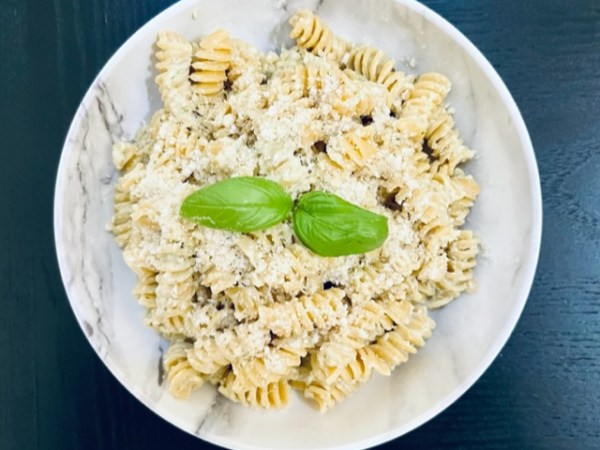
Pesto: One of the most famous and beloved basil dishes is pesto. The traditional Italian pesto sauce combines fresh basil leaves with pine nuts, garlic, Parmesan cheese, and olive oil. It is commonly used as a pasta sauce, but it can also be spread on bread, used as a pizza topping, or added to salads.
Tomato-based dishes: Basil and tomatoes are a classic combination. Fresh basil leaves are often added to tomato sauces, soups, and stews, enhancing the flavor and providing a delightful herbal note.
Caprese salad: A simple and refreshing Italian salad, Caprese, features sliced tomatoes, fresh mozzarella, and basil leaves. The combination of colors and flavors creates a delicious and visually appealing dish.
Thai cuisine: Thai basil, with its distinctive flavor, is a key ingredient in many Thai dishes, such as Thai basil chicken (Pad Krapow Gai) and Thai basil stir-fries. It adds an aromatic and slightly spicy element to these flavorful dishes.
Vietnamese cuisine: Vietnamese cuisine also makes use of Thai basil, especially in dishes like pho (Vietnamese noodle soup) and Vietnamese summer rolls. The basil leaves add a fresh and aromatic component to these dishes.
Mediterranean dishes: In Mediterranean cuisine, basil is used in various recipes, from Mediterranean salads to grilled vegetables and fish. It complements the flavors of olive oil, garlic, and other herbs commonly used in this region.
Herb-infused oils and vinegars: Basil can be used to infuse oils and vinegars, adding its delightful flavor to dressings, marinades, and dipping sauces.
Desserts: While basil is typically associated with savory dishes, it can also be used in certain desserts. Basil leaves can be infused into creams, syrups, and ice creams to create unique and refreshing dessert experiences.
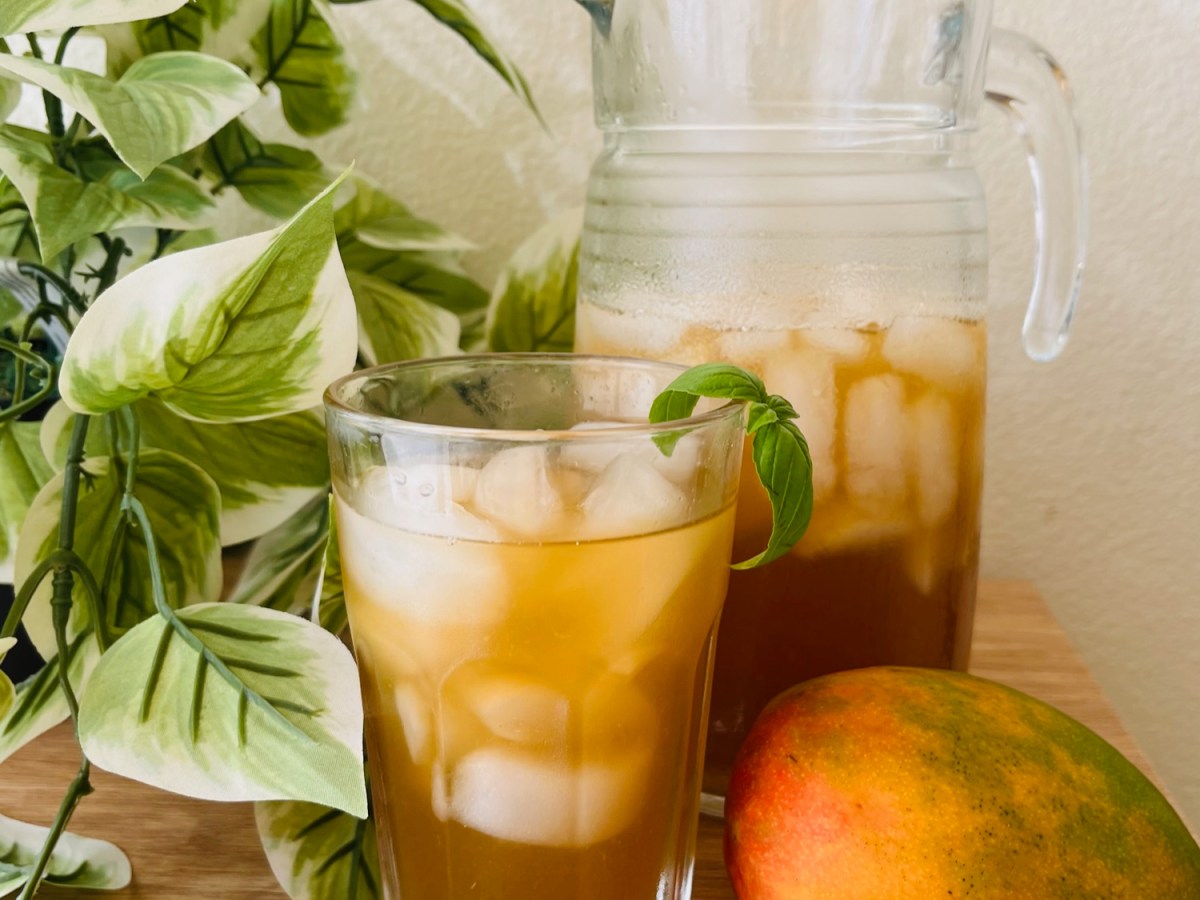
Herbal teas: Holy basil (tulsi) is often used to make herbal teas, especially in Indian Ayurvedic practices. It is believed to have various health benefits and is consumed for its soothing properties.
It is best to use fresh basil leaves whenever possible, as the flavor is most pronounced. However, dried basil can be used when fresh is not available, although the flavor may not be as intense.

How to store Basil
Properly storing basil is essential to maintain its freshness and flavor. Here are some tips on how to store basil to keep it as fresh as possible:
Refrigerating Basil
- Trim the stems: Upon bringing basil home, trim the ends of the stems with a sharp knife or scissors. This helps the herb absorb water more effectively.
- Water in a jar: Place the basil stems in a jar or a glass of water, just like you would with fresh flowers. Make sure only the stems are submerged, and not the leaves, as this can cause them to turn black.
- Cover with a plastic bag: Loosely cover the basil with a plastic bag, tenting it over the leaves to create a mini-greenhouse effect. Secure the bag around the jar or container with a rubber band or twist tie. This helps retain humidity and keeps the basil from drying out too quickly.
- Store in the refrigerator: Place the jar or container with basil in the refrigerator, ideally in the crisper drawer. The cold temperature helps slow down the wilting process, and the basil can stay fresh for up to a week.
Freezing Basil
If you have an abundance of basil and want to preserve it for a longer time, freezing is a great option.
- Blanch the leaves: Dip the basil leaves in boiling water for a few seconds and then immediately transfer them to an ice-cold water bath to stop the cooking process. Pat them dry with paper towels.
- Freeze individually: Lay the blanched and dried basil leaves in a single layer on a baking sheet or tray, ensuring they don’t touch each other. Place the tray in the freezer for a couple of hours until the leaves are frozen.
- Store in bags or containers: Once the leaves are frozen, transfer them to a freezer-safe bag or airtight container. Label and date the container, and return it to the freezer. Frozen basil can retain its flavor for several months.
Drying Basil
- Air drying: Tie a bunch of basil stems together with a string and hang them upside down in a warm, dry place, away from direct sunlight. The leaves will dry naturally over time. Once fully dried, store the leaves in an airtight container in a cool, dark place.
- Drying in an oven: Spread the basil leaves in a single layer on a baking sheet and place them in an oven set to its lowest temperature (ideally around 120-140°C or 250-275°F). Leave the oven door slightly ajar to allow moisture to escape. Check the leaves regularly until they are completely dry. Store them in an airtight container.
Health benefits of Basil
Basil has many health benefits. However, it is important to note that research on these benefits is still ongoing.
- Rich in Antioxidants: Basil contains potent antioxidants like flavonoids, polyphenols, and essential oils. These antioxidants help neutralize harmful free radicals in the body, reducing oxidative stress and lowering the risk of chronic diseases.
- Anti-Inflammatory Properties: Basil contains essential oils like eugenol, which have anti-inflammatory properties. Regular consumption of basil may help reduce inflammation in the body, potentially benefiting conditions like arthritis and inflammatory bowel diseases.
- Immune System Support: Basil is rich in vitamin C, which is essential for a healthy immune system. It helps stimulate the production of white blood cells and strengthens the body’s defense against infections and illnesses.
- Antimicrobial Activity: Basil has shown antimicrobial properties against certain bacteria, viruses, and fungi. It may help inhibit the growth of harmful microorganisms and contribute to better oral health and digestive well-being.
- Cardiovascular Health: Some studies suggest that basil may help lower blood pressure and cholesterol levels. Compounds like eugenol and other antioxidants in basil may support heart health by improving blood circulation and reducing the risk of heart disease.
- Anti-Cancer Potential: Basil contains compounds like apigenin and eugenol, which have shown anti-cancer properties in preclinical studies. These compounds may help inhibit the growth of cancer cells and reduce the risk of certain types of cancer.
- Stress Relief: The aroma of basil has been associated with stress relief and relaxation. In aromatherapy, basil essential oil is used to promote a sense of calmness and reduce anxiety.
Want to learn more about the health benefits of basil? Click here!
 Delicious Defined
Leave a comment