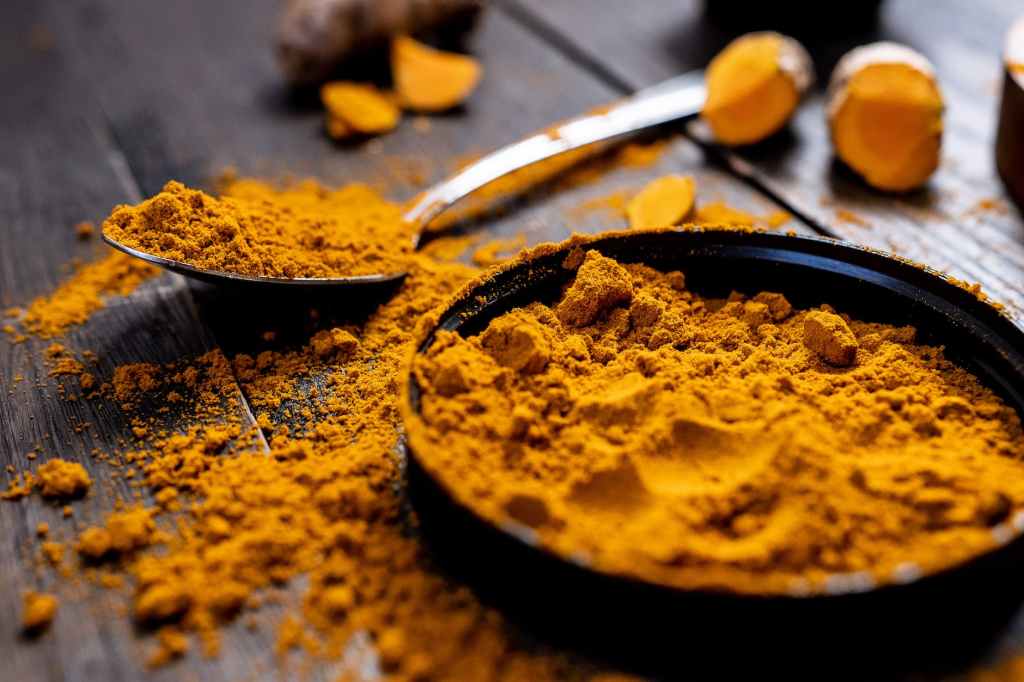
Turmeric, a vibrant golden spice, is renowned globally for its various properties and is highly regarded for both culinary and medicinal purposes. With a history spanning millennia, this ancient herb, derived from the Curcuma longa plant, has captivated cultures across the globe with its distinct flavor, stunning color, and a plethora of potential health benefits. From its widespread use in Asian cuisines to its integration into Ayurvedic and traditional healing practices, turmeric has garnered widespread attention for its active compound curcumin, which is believed to possess potent antioxidant and anti-inflammatory properties.
- What is turmeric?
- History of turmeric
- What does turmeric taste like?
- Uses of turmeric
- How to store turmeric
- Health benefits of turmeric
What is Turmeric?
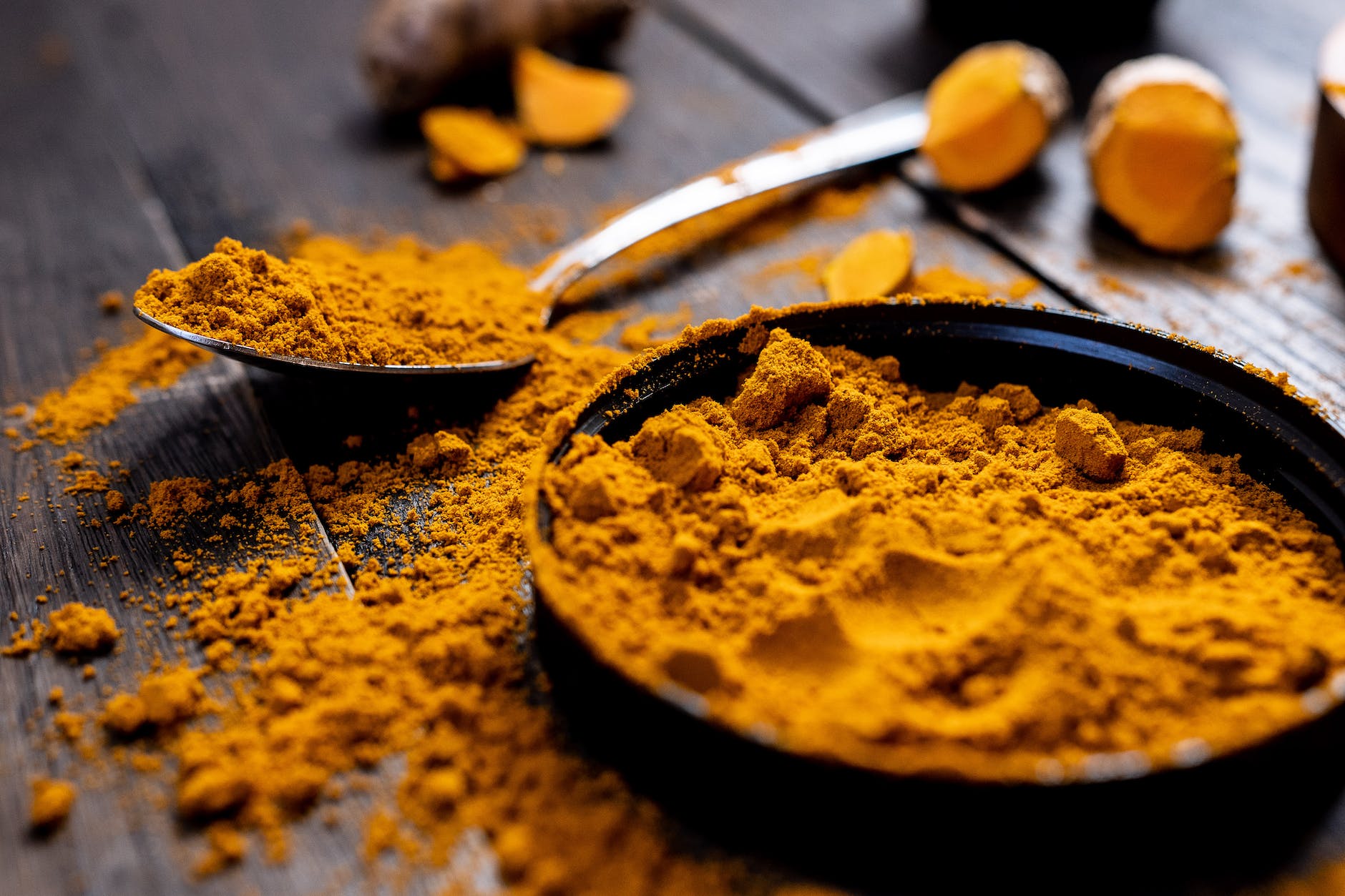
Turmeric, scientifically known as Curcuma longa, is a perennial herbaceous plant that belongs to the ginger family, Zingiberaceae. Primarily cultivated in tropical regions of South Asia, especially in India, it has been a central part of the culture and cuisine for thousands of years. Turmeric is prized for its rhizomes, which are thick, orange-yellow in color, and resemble the appearance of ginger roots.
The bright yellow pigment found in turmeric is due to a natural compound called curcumin. Curcumin is the main active ingredient in turmeric and is responsible for many of its health benefits and medicinal properties. Besides curcumin, turmeric also contains various other bioactive compounds, including essential oils and other curcuminoids, which contribute to its distinctive flavor and aroma.
Turmeric is widely used in cooking as a spice, adding a warm, earthy flavor to various dishes, particularly in Indian and Southeast Asian cuisines. Its use in curry powders, sauces, teas, and even as a natural food coloring has made it a staple ingredient in many recipes around the world. In addition, turmeric has a long history of medicinal uses, especially in Ayurvedic and Chinese medicine, where it has been employed for its anti-inflammatory, antioxidant, and antimicrobial properties. In recent years, scientific research has shown growing interest in turmeric and curcumin, exploring their potential health benefits and therapeutic applications, ranging from promoting joint health to supporting cognitive function and more.
History of Turmeric
Believed to have originated in the Indian subcontinent, turmeric’s usage can be traced to as early as 2500 BCE, making it one of the oldest known spices to be used by humankind. Its significance in ancient societies was not only culinary but also medicinal and religious. In India, turmeric held a sacred place and was associated with auspiciousness and purity. It became an integral part of religious ceremonies and rituals, adorning brides and grooms during weddings and being used as offerings in temples.
Over time, turmeric’s reputation spread beyond the Indian subcontinent, and it found its way into the ancient trade routes. It became highly sought after by traders traveling to the Middle East, China, and Europe, where it was referred to as “Indian saffron” due to its vivid yellow color.
By the 13th century, turmeric had reached Europe, where it was valued for its culinary and medicinal properties. It was commonly used to add color and flavor to dishes, and its alleged medicinal properties led to its use in traditional European medicine.
In the 20th century, scientific research began to shed light on the active compounds in turmeric, particularly curcumin. This led to a surge in interest and study of turmeric’s potential health benefits, propelling it into the spotlight as a “superfood” with various potential therapeutic applications.
What does Turmeric taste like?
Turmeric has a warm, earthy, and slightly bitter flavor with a mild peppery kick. It is difficult to pinpoint a precise taste, as it offers a unique and distinct profile that sets it apart from other spices. The flavor of turmeric is often described as aromatic, pungent, and musky, with subtle hints of citrus and ginger. Its most prominent characteristic is its vibrant yellow color, which adds an almost golden hue when added to dishes. The color adds visual appeal and has made turmeric a popular natural food coloring agent in various cuisines. However, it’s essential to use turmeric judiciously as its taste can become overpowering when used excessively, leading to a bitter and astringent aftertaste. When using turmeric, a little goes a long way in adding both flavor and color to a dish.
Uses of Turmeric
- Curries: Turmeric is a staple ingredient in curry powders, providing the characteristic golden color and warm, earthy flavor that is essential for any curry. It is a key component in various curry recipes, such as chicken curry or vegetable curries, such as corn curry.
- Rice Dishes: Turmeric is commonly used to flavor and color rice dishes like pilafs, biryanis, and paella. The addition of turmeric gives the rice a beautiful yellow tint.
- Soups and Stews: Turmeric adds depth and complexity to soups and stews. It is often included in recipes such as lentil soup, vegetable stew, and chicken broth, enhancing the overall taste and visual appeal.
- Marinades and Sauces: Turmeric is used in marinades and sauces to infuse dishes with its warm and slightly pungent flavor. It works well in marinades for grilled meats, tofu, or vegetables, as well as in sauces for noodles and stir-fries.
- Pickles and Chutneys: Turmeric is a popular ingredient in pickling spice blends and chutneys, contributing to the preservation of fruits and vegetables while adding a tangy, spicy twist.
- Smoothies and Beverages: Turmeric is used in smoothies and beverages to add a nutritional boost and a touch of warmth. “Golden milk,” a popular turmeric-based drink, combines turmeric with milk, spices, and sweeteners for a comforting and nourishing beverage.
- Spice Blends: Turmeric powder is a key component in various spice blends, such as garam masala and curry powder, which are essential in a wide range of Indian and Asian dishes.
How to store Turmeric
Fresh turmeric should be stored in the refrigerator to prolong its shelf life. After washing turmeric, pat dry it with a towel and store it in an airtight container or a sealed bag. It is important for the turmeric to be completely dry, so as to prevent it from rotting or becoming moldy.
If you have more fresh turmeric than you can use within a few weeks, consider freezing it for longer-term storage. Wash and peel the rhizomes, chop them into smaller pieces, and store them in an airtight container or freezer bag. Or, fresh turmeric can be dehydrated and turned into turmeric powder.
Health benefits of Turmeric
Turmeric is not only valued for its culinary contributions but also recognized for its potential health benefits. While research is still ongoing, studies suggest that turmeric may provide the following health advantages:
- Anti-Inflammatory Properties: Curcumin is known for its strong anti-inflammatory effects. It may help reduce chronic inflammation in the body, which is linked to various chronic diseases like heart disease, arthritis, and certain types of cancer.
- Antioxidants: Turmeric contains antioxidants that can neutralize harmful free radicals, protecting cells from oxidative stress and damage.
- Joint Health: Some studies suggest that turmeric may help alleviate joint pain and improve mobility in people with arthritis due to its anti-inflammatory properties.
- Brain Health: Some research indicates that curcumin may have neuroprotective properties and could potentially support cognitive function and memory.
- Immune Support: Turmeric’s antioxidant and anti-inflammatory properties may help support the immune system and its ability to fight infections.
- Skin Health: Turmeric is sometimes used in skincare products for its potential to improve skin health. It may help with acne, skin irritation, and promote a healthy complexion, though there is no clear evidence.
- Potential Cancer Prevention: Some studies suggest that curcumin may have anti-cancer properties, with the potential to inhibit the growth of certain cancer cells and prevent tumor formation. However, more research is needed in this area.
Want to learn more about the health benefits of turmeric? Click here!
 Delicious Defined
Leave a comment