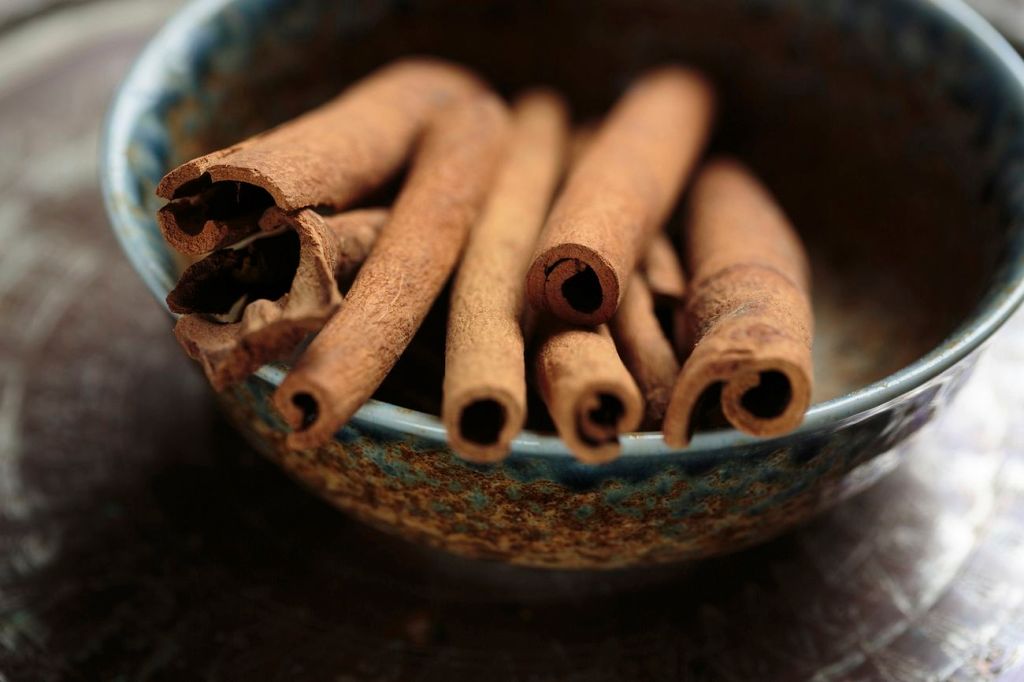
At one point in time, cinnamon was once more valuable than gold and silver. In fact, it was so valuable it was often given as a gift to kings. Now, that is not so hard to believe when you consider the captivating aroma, delightful flavor, and medicinal purposes that have captivated civilizations for centuries.
- What is cinnamon?
- History of cinnamon
- What does cinnamon taste like?
- Uses of cinnamon
- How to store cinnamon
- Health benefits of cinnamon
What is Cinnamon?
Cinnamon is a spice derived from the bark of trees belonging to the Cinnamomum genus. There are several species of cinnamon trees, but there are only two that are commonly used for culinary purposes.
Ceylon Cinnamon
Cinnamomum verum (also known as Ceylon cinnamon): Ceylon cinnamon is often referred to as the “true cinnamon” and is native to Sri Lanka. Its flavor is sweeter and more delicate than Cassia cinnamon, which has a stronger and more bitter flavor.
Cassia Cinnamon
Cinnamomum cassia (commonly referred to as cassia cinnamon): Cassia cinnamon originated in Southern China. Cassia cinnamon sticks are much darker than Ceylon cinnamon and have a thicker layer of bark.
History of Cinnamon
The history of cinnamon spans thousands of years and is intertwined with ancient civilizations, trade routes, and cultural practices. Cinnamon has been highly prized and sought after for its aroma, flavor, and medicinal properties since ancient times.
The origin of cinnamon can be traced back to the tropical regions of Southeast Asia, particularly Sri Lanka (formerly known as Ceylon) and parts of India. The spice was first discovered and used by ancient civilizations in these regions. Cinnamon was mentioned in ancient Egyptian texts as early as 2000 BCE, where it was valued for its use in embalming and religious rituals.
Cinnamon’s popularity gradually spread to other parts of the world, including the Middle East, where it was mentioned in the Old Testament as an ingredient in sacred anointing oil. The Phoenicians, renowned traders of the ancient world, played a significant role in spreading cinnamon across the Mediterranean region. They carefully guarded their sources of cinnamon, creating an air of mystery around the spice and driving up its demand. During the height of the Roman Empire, cinnamon became a highly prized luxury item. It was used in perfumes, as incense, and as a flavoring agent in food and drinks. However, the exact source of cinnamon was kept secret by the Arab traders who controlled the spice routes, further increasing its allure and value. European traders sought alternative routes to obtain cinnamon directly from its source, bypassing the Arab middlemen. This led to the exploration of new sea routes, which eventually established direct trade with the spice-growing regions.
Today, cinnamon is cultivated in several countries, with Indonesia, China, Vietnam, and Sri Lanka being major producers.
What does Cinnamon taste like?
Cinnamon has a distinct and recognizable taste characterized by its warm, sweet, and slightly spicy flavor profile. It is often described as having a combination of sweetness and warmth with hints of woodiness and subtle notes of clove.
The taste of cinnamon can vary slightly depending on the specific type of cinnamon used. Ceylon cinnamon, also known as true cinnamon, is generally considered to have a more delicate and complex flavor. It tends to be sweeter with citrusy undertones and a subtle, refined spiciness.
On the other hand, cassia cinnamon, which is more commonly available and often labeled simply as cinnamon, has a stronger and bolder taste. It has a pronounced sweetness and a more intense spicy kick, often reminiscent of cloves and a touch of heat.
When cinnamon is used in cooking or baking, it adds a warm and aromatic quality to dishes. It enhances the overall flavor profile and can provide depth and complexity to both sweet and savory preparations. Cinnamon is commonly associated with desserts like cinnamon rolls, apple pie, and chai tea, but it is also used in curries, stews, and various Middle Eastern and North African dishes to impart a unique flavor.
Uses of Cinnamon
Cinnamon is a versatile spice that is widely used in culinary applications around the world. Its warm and distinctive flavor makes it a popular addition to a variety of dishes and drinks, both sweet and savory. Here are some of the common uses of cinnamon:
- Baked Goods: Cinnamon is a staple in baking and is frequently used in cakes, cookies, pastries, and bread. It adds a delightful aroma and flavor to these treats. Cinnamon rolls, apple pies, and cookies are just a few examples of baked goods where cinnamon plays a prominent role.
- Hot Beverages: Cinnamon is commonly used to flavor hot beverages like coffee, tea, hot chocolate, and mulled cider. It adds a comforting and aromatic element to these drinks, making them more enjoyable, especially during colder months. Chai tea, which is infused with cinnamon, is a popular beverage in many cultures.
- Spice Blends: Cinnamon is a key ingredient in various spice blends, adding depth and complexity to dishes. It is a fundamental component of pumpkin spice mix and apple pie spice blend. Cinnamon is also found in Moroccan and Indian spice blends, such as garam masala and ras el hanout, where it contributes to the overall flavor profile. Spice blends featuring cinnamon can be found in many dishes, such as curries.
- Savory Dishes: While cinnamon is typically associated with sweet dishes, it can also be used in savory recipes. It is a common ingredient in certain Middle Eastern and North African cuisines. Cinnamon can be found in meat rubs, marinades, curries, tagines, and stews, where it adds a subtle warmth and complexity to the savory flavors.
Health benefits of Cinnamon
Cinnamon is not only valued for its culinary contributions but also recognized for its potential health benefits. While research is still ongoing, studies suggest that cinnamon may provide the following health advantages:
- Antioxidant properties: Cinnamon is rich in antioxidants, which help protect the body against oxidative stress caused by free radicals. Antioxidants can support overall health and potentially reduce the risk of chronic diseases.
- Anti-inflammatory effects: Cinnamon contains compounds with anti-inflammatory properties, such as cinnamaldehyde. These compounds may help reduce inflammation in the body, which can help reduce the risk of certain diseases.
- Blood sugar regulation: One of the most studied health benefits of cinnamon is its potential to help regulate blood sugar levels. Cinnamon may improve insulin sensitivity, increase glucose uptake by cells, and decrease insulin resistance.
- Antimicrobial properties: Cinnamon possesses antimicrobial properties, which means it may help inhibit the growth of certain bacteria, fungi, and viruses. It has been traditionally used as a natural preservative and in some cultures as a remedy for infections.
Want to learn more about the health benefits of cinnamon? Click here!
 Delicious Defined
Leave a comment