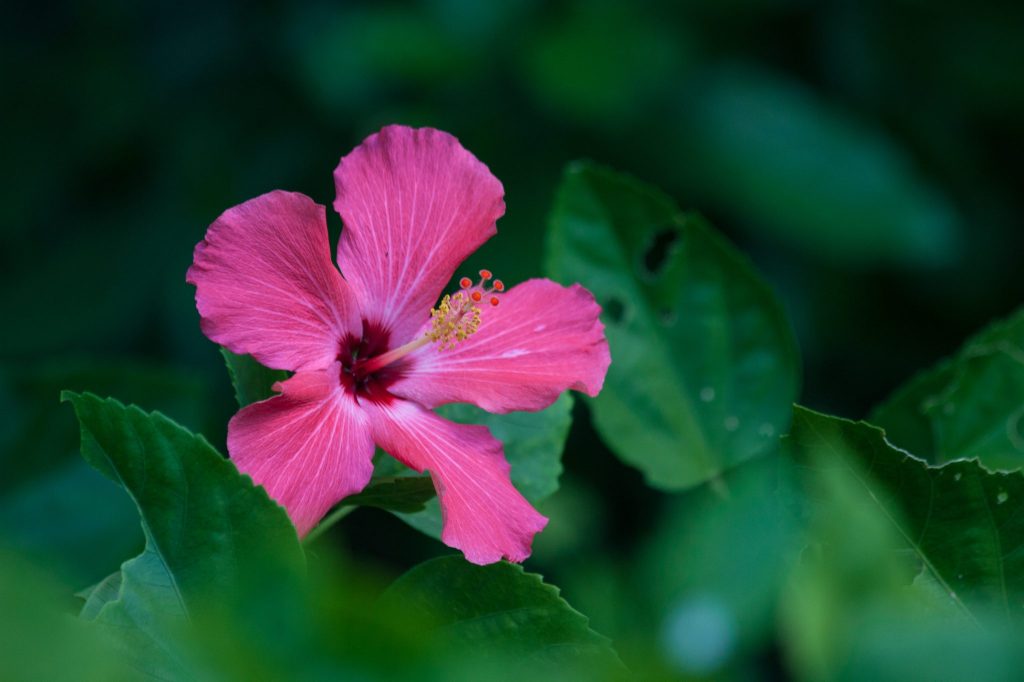
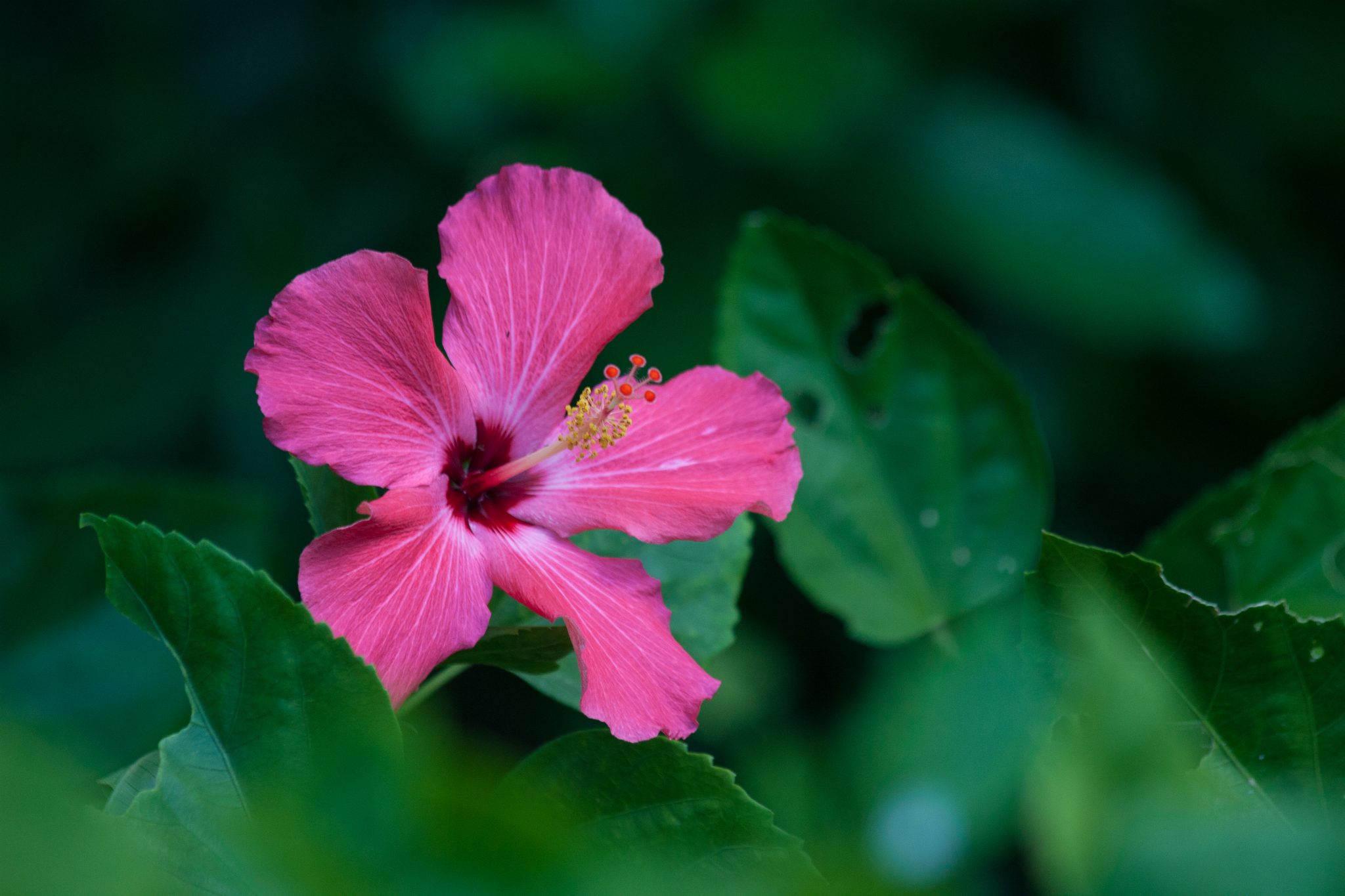
What is Hibiscus?
Hibiscus, a flowering plant from the Malvaceae family, is renowned for its stunning, showy flowers, as well as its rich history of culinary and medicinal uses. With its distinct flavor, vibrant color, and potential health benefits, hibiscus has become a popular ingredient in various cultural cuisines and herbal remedies. Native to Africa, hibiscus is now cultivated in the Caribbean, Central and South America, Southeast Asia, the Pacific Islands, and other places with tropical climates. This versatile flower goes by many different names around the world: roselle, karkade, jamaica, and sorrel, just to name a few.
The calyx, which is the fleshy part surrounding the hibiscus flower, is the most commonly used part in culinary applications. It is harvested, dried, and often used to prepare hibiscus tea. While less commonly used than the calyx, hibiscus petals can be incorporated into foods for their visual appeal and subtle flavor, often as a garnish. Hibiscus leaves are edible and have some uses in certain cuisines. They can be cooked and used as a leafy vegetable in various dishes. It’s important to note that different species of hibiscus may have varying culinary uses and flavor profiles. The Hibiscus sabdariffa, commonly used for culinary purposes, offers a tart flavor profile suitable for beverages and desserts. However, other species of hibiscus may have different flavors and uses specific to their regional cuisines.
History of Hibiscus
While the exact origins of hibiscus are unknown, it has been cultivated in Africa, China, and the Pacific Islands for a long time.
In ancient Egypt, hibiscus was highly valued for its beauty and practical uses. The ancient Egyptians not only admired the hibiscus flower for its vibrant colors but also utilized its medicinal properties. Hibiscus tea, known as “karkade,” was consumed for its refreshing qualities. It was also believed to have digestive benefits and to promote a healthy immune system.
In China, hibiscus is known as “China rose” or “shoe flower.” It holds symbolic significance and is associated with wealth, fame, and beauty. The Chinese have used hibiscus flowers in teas, herbal remedies, and as decorative elements in celebrations and festivals.
In India, hibiscus has a long history of cultural and religious importance. The flower is dedicated to deities such as Ganesha and Kali and is used in religious ceremonies and rituals. In Ayurvedic medicine, hibiscus is valued for its cooling properties and is used to balance the body’s energies. The dried flowers are also used in hair care preparations, believed to promote hair growth and nourishment. In the Pacific Islands, it holds a special place in local cultures.
In Hawaii, the hibiscus flower is the state flower and symbolizes beauty and delicate charm. The Hawaiian hibiscus (Hibiscus brackenridgei) is a native species and is cherished for its vibrant, yellow blooms, which are often used in leis and other traditional adornments. Through trade routes, hibiscus made its way to the Caribbean, where it is known as sorrel, and then to Central and South America, where it got the name Flor de Jamaica.
Throughout history, hibiscus has been associated with love, fertility, and celebration. The flower has been a part of weddings, festivals, and cultural ceremonies, adding beauty and symbolism to these special occasions. Its vibrant colors and delicate petals have inspired artists, poets, and storytellers, further solidifying its cultural significance.
Today, hibiscus continues to be cherished and cultivated in various parts of the world. Its versatility, both in terms of culinary uses and medicinal properties, has contributed to its popularity. Whether enjoyed as a refreshing beverage, incorporated into dishes, or used in skincare products, hibiscus has a variety of uses.
What does Hibiscus taste like?
The flavor of hibiscus is often described as tart and tangy, with floral and slightly sweet notes. This tart and tangy flavor profile is often compared to cranberries. This unique taste is due to the presence of natural fruit acids, primarily citric acid. When steeped in hot water to make tea, hibiscus showcases its sourness and refreshing qualities. The tanginess is balanced with subtle floral and fruity notes, making hibiscus a versatile ingredient. This allows it to be used in a variety of dishes and add depth and complexity to sweet and savory dishes alike.
Uses of Hibiscus
When dried, hibiscus flowers can lend a fragrance and tart flavor to foods. Here are some common uses of hibiscus:
- Tea: Hibiscus tea, commonly known as “sour tea” or “roselle tea,” is a popular beverage enjoyed worldwide. To prepare the tea, dried hibiscus calyxes are steeped in hot water, releasing their vibrant red color and tangy flavor. Hibiscus tea can be enjoyed hot or iced, and it is often sweetened with honey or sugar to balance the tartness.
- Infusions and Syrups: Hibiscus can be added to lemonade, iced tea, cocktails, and mocktails, because of its striking color and refreshing taste. Hibiscus syrup can be made by simmering the dried petals with water and sugar, creating a flavorful sweetener for beverages, desserts, and other dishes.
- Jams and jellies: Hibiscus is often used in jams and jellies because it is pectin-rich.
Health benefits of Hibiscus
While research is still ongoing, studies suggest that hibiscus may provide the following health advantages:
- Antioxidants: Hibiscus is rich in antioxidants such as beta-carotene, vitamin C, and anthocyanin.
- Lower blood pressure: A study has suggested thibiscusscus may reduce blood pressure and combat hypertension.
- Lower cholesterol: Some studies have shown that hibiscus may lower cholesterol levels.
Want to learn more about the health benefits of hibiscus? Click here!
 Delicious Defined
Leave a comment