What Are Potatoes?
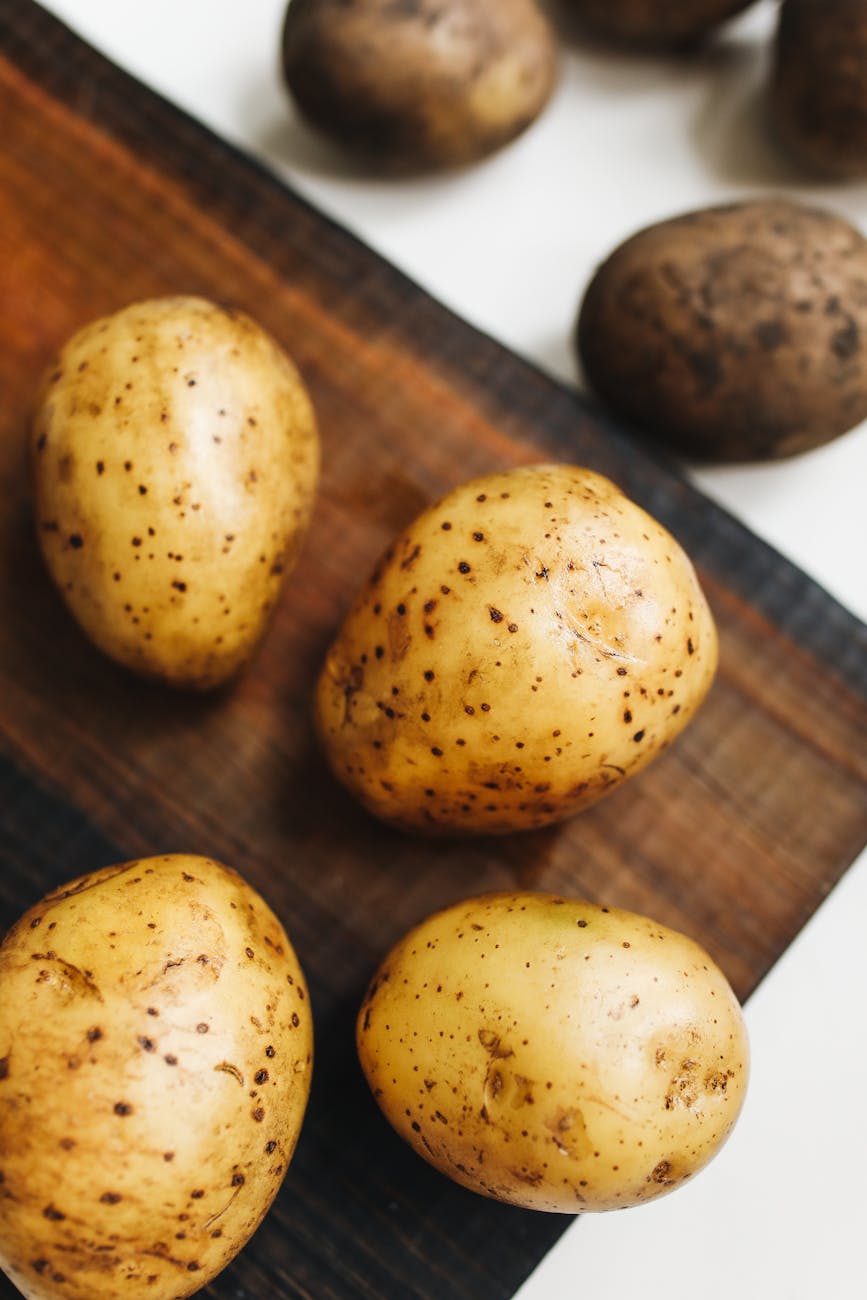
Potatoes are a versatile and beloved staple in kitchens around the world. These tuberous crops, scientifically known as Solanum tuberosum, originated in the Andes mountains of South America and have since become a global culinary favorite. Potatoes are prized for their rich nutritional profile, including essential vitamins such as vitamin C, B6, and a good source of potassium and dietary fiber. Whether baked, boiled, fried, or mashed, potatoes can adapt to nearly any cooking method, making them an indispensable ingredient in countless recipes.
Potatoes have the potential to be the star of both simple and sophisticated dishes. From classic comfort foods like mashed potatoes and French fries to gourmet delights such as potato gratin and gnocchi, their adaptability is unmatched. Their neutral flavor profile allows them to absorb and enhance the flavors of accompanying ingredients, making them a versatile base for many dishes. Additionally, potatoes come in a variety of types, including russet, Yukon gold, red, and fingerling, each bringing unique textures and flavors to dishes.
History of Potatoes
The history of potatoes begins in the Andean region of South America, where they were first domesticated over 7,000 years ago. The indigenous peoples of the Andes, particularly in present-day Peru and northwest Bolivia, cultivated a variety of potato species, developing sophisticated agricultural techniques to grow them in the harsh mountain environment. Potatoes were a staple food source, integral to the diet and culture of these early civilizations, who not only consumed them but also worshipped them in various ceremonies and rituals.
In the late 16th century, Spanish conquistadors encountered potatoes in the New World and brought them back to Europe. Initially met with skepticism and confusion, potatoes gradually gained acceptance as an essential crop due to their nutritional value and adaptability to diverse climates. By the 18th century, they had become a vital food source across Europe, helping to alleviate hunger and sustain growing populations. Potatoes played a crucial role during this period, particularly in countries like Ireland, where they became a dietary staple, leading to both prosperity and tragedy, as seen during the Great Famine of the mid-19th century.
Through global trade, potatoes were introduced to other parts of the world, including Asia, Africa, and North America. The crop’s versatility and high yield made it an essential part of agricultural systems around the world. Today, potatoes are one of the most widely grown and consumed crops, with numerous varieties adapted to different climates and culinary traditions.
What Do Potatoes taste like?
Potatoes possess a mild, earthy taste with a hint of nuttiness, allowing them to complement and enhance the flavors of other ingredients in a dish. This neutral base flavor allows them to easily absorb the seasonings, herbs, and spices they are cooked with.
Different types of potatoes bring unique textures and nuances to their flavor. For example, russet potatoes, with their high starch content, have a fluffy, mealy texture when cooked, and a mildly sweet, earthy flavor that pairs well with rich, buttery dishes like mashed potatoes or baked potatoes. Yukon gold potatoes, on the other hand, have a slightly waxy texture and a naturally buttery flavor, making them ideal for roasting, boiling, or using in gratins. Red potatoes offer a firmer, creamier texture and a subtly sweet taste, perfect for salads and stews where they hold their shape well.
The way potatoes are prepared also significantly influences their flavor. Roasting potatoes brings out their natural sweetness and creates a crispy exterior with a tender interior, while boiling them results in a more subtle taste that allows accompanying flavors to shine. Frying potatoes, whether as French fries or potato chips, enhances their savory qualities and introduces a satisfying crunch. Seasoning potatoes with salt, pepper, garlic, rosemary, or other herbs and spices can transform their mild taste into a flavorful and aromatic experience.
In addition to traditional cooking methods, potatoes can also take on new dimensions of flavor when paired with various culinary techniques and ingredients. For instance, infusing them with truffle oil or combining them with aged cheeses can elevate their taste to a gourmet level. Whether served as a comforting side dish or a sophisticated main course, the flavor of potatoes is remarkably adaptable, making them a beloved ingredient in kitchens around the world.
Uses of Potatoes
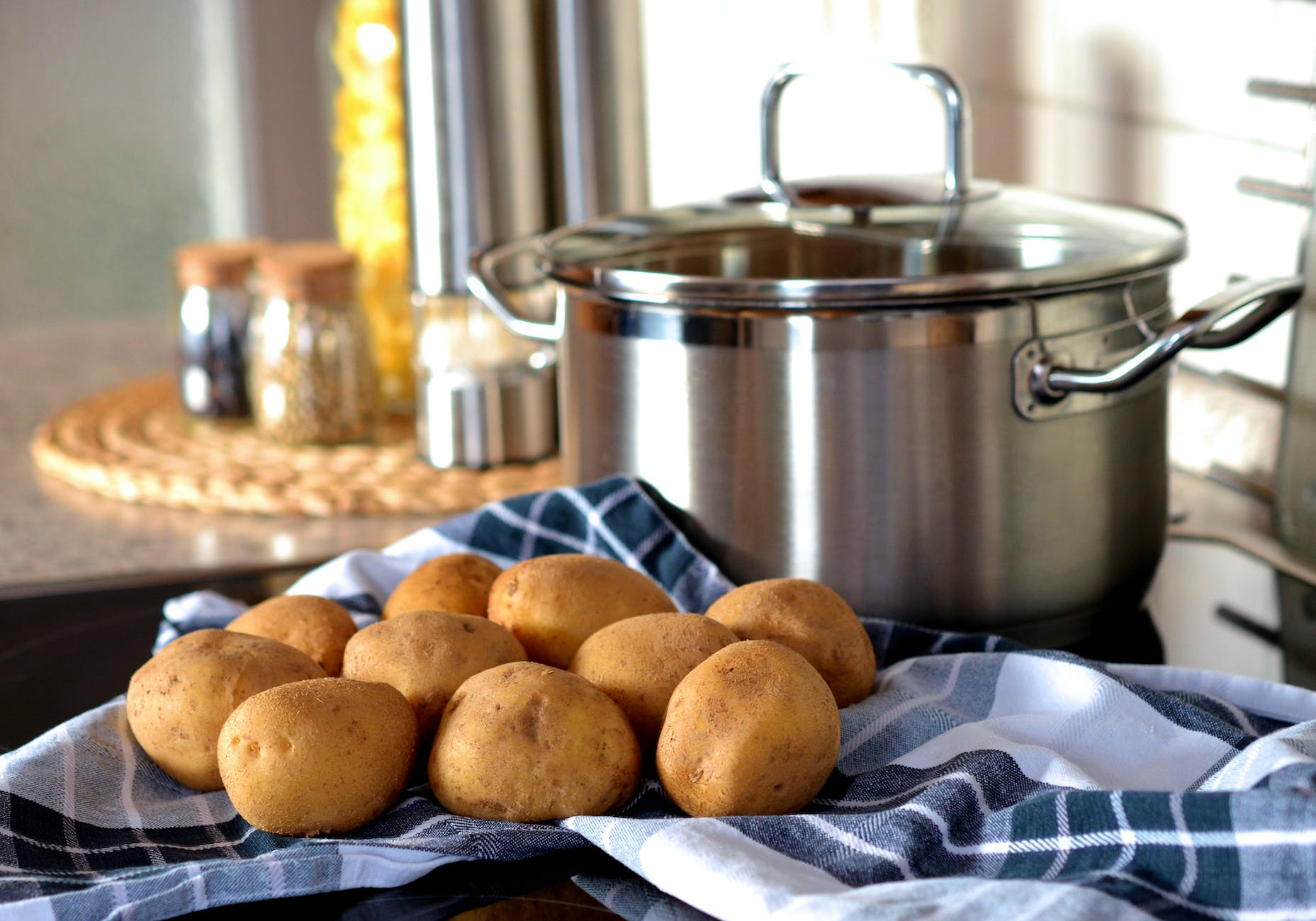
Commonly used in side dishes, potatoes are a versatile vegetable with their ability to be used in a variety of dishes. Here are just a few:
- Mashed Potatoes: A creamy, smooth side dish, often paired with meats or gravies. It can be flavored with butter, cream, or garlic.
- Baked Potatoes: Whole potatoes are baked until tender and loaded with a variety of toppings.
- Fried Potatoes: Crispy and golden, fried potatoes are often enjoyed as a snack or a side dish. They can be prepared as fries, chips, or hash browns.
- Roast Potatoes: These types of potatoes are cut into chunks and roasted with olive oil, salt, and herbs for a crispy exterior and a soft interior.
- Soups: Potato soup can be made; boiled potatoes can be added to stews.
- Gnocchi: A soft, pillowy pasta made from potatoes, flour, and eggs. This Italian dish is often served with a variety of sauces, including tomato sauce, pesto, or even brown butter.
TYPES OF POTATOES
While there is an endless list of varieties (over 5,000!) of potatoes, they are all classified into one of seven categories: russet, red, white, yellow,
Russet Potatoes
Russet potatoes are known for their high starch content and low moisture, making them perfect for creating light and fluffy textures. With their thick brown skin and white flesh, they are ideal for baking, mashing, and frying into crispy French fries. The high starch levels allow them to absorb flavors well, creating a creamy interior and a crispy exterior, which makes them a favorite for hearty dishes and comfort foods.
Red Potatoes
Red potatoes are easily recognized by their thin, red skin and white, creamy flesh. They have a low starch and high moisture content, resulting in a firm, waxy texture that holds up well during cooking. This makes them ideal for boiling, roasting, and using in potato salads and stews. Their vibrant skin adds a pop of color to dishes, while their firm texture provides a pleasant bite, making them perfect for recipes that require the potatoes to retain their shape.
White Potatoes
White potatoes feature a medium starch content and a smooth, creamy texture with thin, light tan skin. These versatile potatoes can be boiled, mashed, steamed, or used in soups. Their mild flavor and consistent texture make them a great all-purpose potato, suitable for a wide range of dishes where a creamy consistency is desired without overpowering other ingredients.
Yellow Potatoes
Yellow potatoes, often referred to as Yukon Gold, are celebrated for their naturally buttery flavor and medium starch content. With golden skin and flesh, these potatoes are incredibly versatile and can be roasted, mashed, boiled, or fried. Their rich taste and smooth, creamy texture make them a popular choice for dishes that benefit from a slightly sweet, buttery note, such as gratins and purees.
Blue/Purple Potatoes
Blue or purple potatoes are striking with their vibrant skin and flesh, rich in antioxidants like anthocyanins. They have a firm texture and a slightly nutty flavor, making them suitable for roasting, grilling, and boiling. These colorful potatoes not only add visual appeal to any dish but also bring a unique taste and nutritional boost.
Petite Potatoes
Petite potatoes, also known as baby or new potatoes, are harvested early and are small in size, with thin skins and a tender, waxy texture. They come in various colors and types, including red, yellow, and purple. These potatoes are ideal for boiling, steaming, and roasting, often enjoyed whole to showcase their fresh, slightly sweet taste and smooth, creamy consistency. Their small size and delicate flavor make them perfect for appetizers, side dishes, and salads.
Fingerling Potatoes
Fingerling potatoes are small, elongated tubers with a distinctive waxy texture. They come in various colors, including yellow, red, and purple, and are known for their firm flesh and unique shapes. Perfect for roasting and boiling, these gourmet potatoes add a buttery flavor and visual interest to salads and side dishes, making them a favorite among chefs and food enthusiasts for their delicate taste and charming appearance.
Health benefits of Potatoes
While research is still ongoing, some studies indicate potatoes have the following health advantages:
- Essential vitamins and minerals: Rich in essential vitamins and minerals, they provide a substantial amount of vitamin C, vitamin B6, potassium, and dietary fiber.
- High fiber content: One of the standout health benefits of potatoes is their high fiber content, especially when consumed with the skin on.
Want to learn more about the health benefits of potatoes? Click here!
 Delicious Defined
Leave a comment