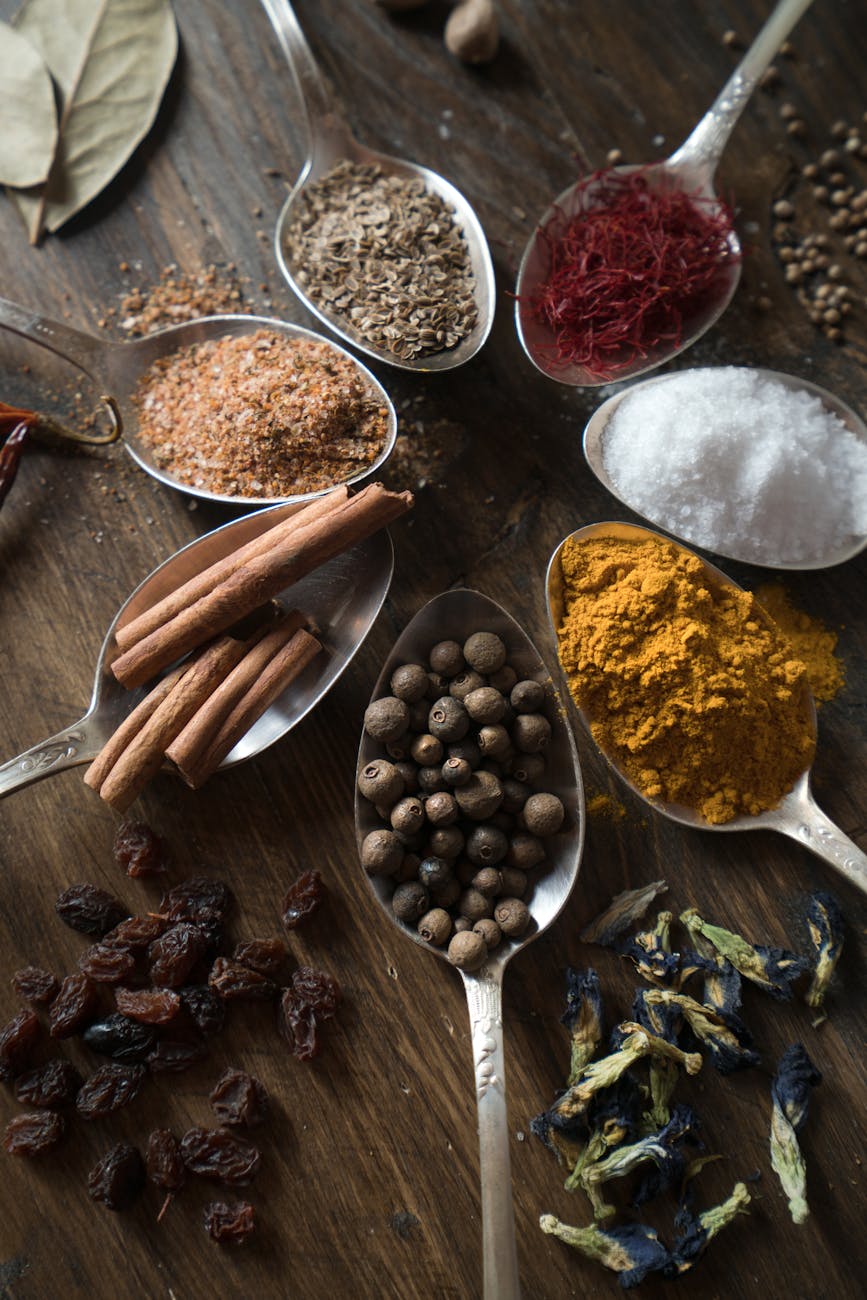

What Is allspice?
Allspice, scientifically known as Pimenta dioica, is a versatile spice that derives its name from its complex flavor profile, which resembles a blend of cinnamon, nutmeg, and cloves. This unique spice is made from the dried, unripe berries of the Pimenta dioica tree, a tropical evergreen native to the Caribbean, Central America, and southern Mexico. The berries are typically harvested when they are still green and then sun-dried until they turn a rich, brown color. The resulting spice can be used whole or ground and is a staple in both sweet and savory dishes.
In the culinary world allspice is known for its warm, aromatic qualities. It plays a crucial role in Caribbean cuisine, particularly in Jamaican jerk seasoning, where it provides a distinctive depth of flavor. Additionally, allspice is a key ingredient in various spice blends, such as garam masala and pumpkin pie spice. In baked goods, allspice enhances the taste of cakes, cookies, and pies. Moreover, allspice is often used in pickling, sausages, and stews.
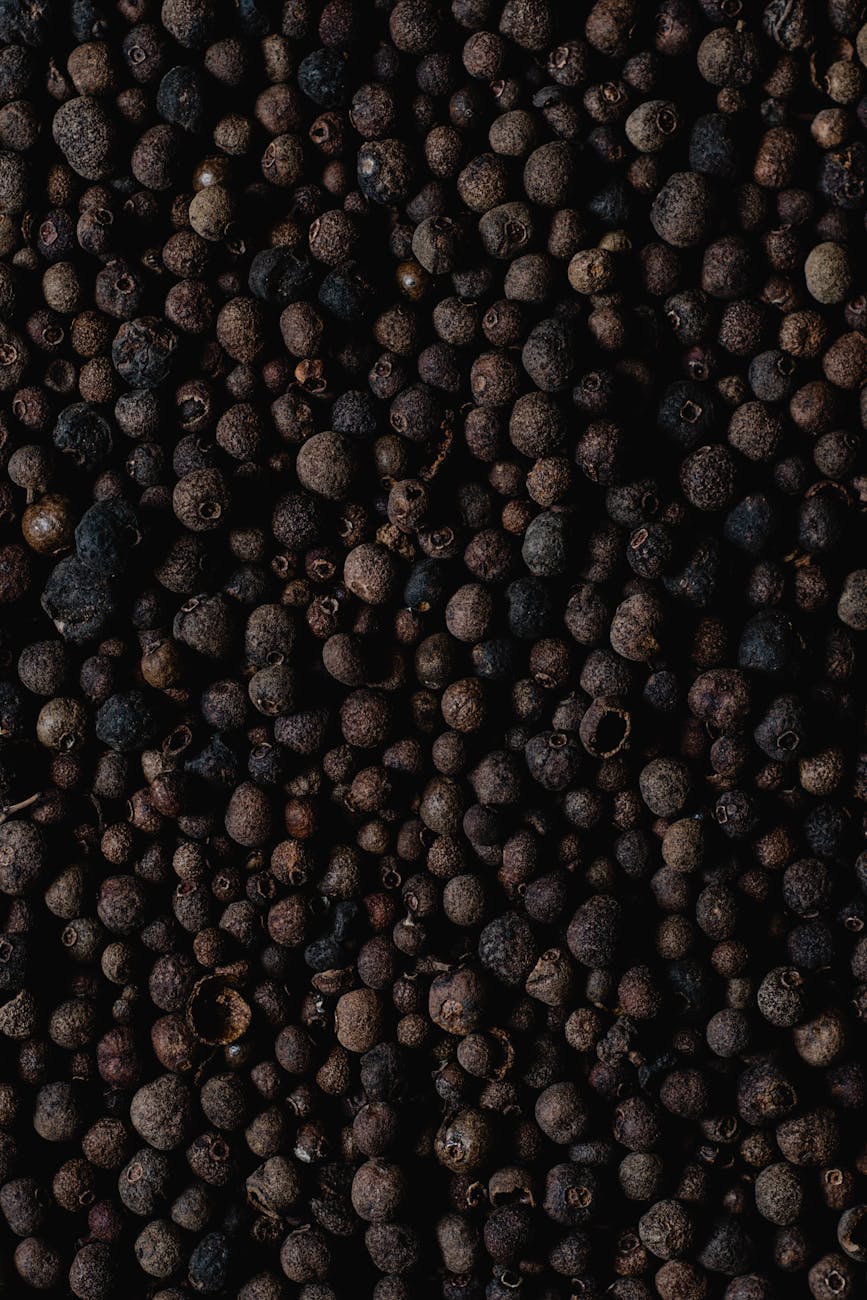
History of allspice
The spice, derived from the dried berries of the Pimenta dioica tree, has been used by indigenous peoples of the Caribbean region for centuries. The Taino people of the Greater Antilles, for example, utilized allspice not only for its flavor but also for its preservative and medicinal properties. They used it to season and preserve meat, using its natural antimicrobial qualities to prolong the freshness of their food in the tropical climate.
With the arrival of Spanish explorers in the late 15th and early 16th centuries, allspice was introduced to the rest of the world. Christopher Columbus encountered the spice during his voyages and, mistaking it for a type of pepper, brought it back to Europe. This led to the spice being named “pimienta” (Spanish for pepper), which evolved into its botanical name, Pimenta dioica. The misnomer “allspice” later emerged in English due to the spice’s unique aroma and flavor, which seemed to encompass the characteristics of cinnamon, nutmeg, and cloves all in one.
During the 17th and 18th centuries, allspice became highly sought after in European cuisine. It was especially popular in England, where it was used in pickling and baking. The spice was also traded extensively, contributing to the economic exchanges between the New World and Europe. Jamaica, with its ideal growing conditions for the allspice tree, emerged as the primary exporter, a status it retains to this day.
What Does allspice taste like?
Put simply, allspice is a combination of cinnamon, clove, and nutmeg!
Allspice has a unique and complex flavor that can be best described as a blend of several well-known spices. Its taste profile combines the warm, sweet spiciness of cinnamon, the pungent and slightly peppery notes of cloves, the subtle nutty and earthy undertones of nutmeg, and a hint of pepper-like sharpness. This distinctive combination creates a versatile spice that can enhance both sweet and savory dishes.
When used in cooking, allspice can impart a rich depth of flavor. In sweet applications, such as in baking, it adds warmth and aromatic complexity to items like pumpkin pie, gingerbread, and fruitcakes. The sweet spiciness of allspice pairs particularly well with ingredients like brown sugar, molasses, and fruits, complementing and enhancing their natural flavors.
Uses for allspice
Allspice is an essential ingredient in many foods around the world, thanks to its unique flavor profile that combines notes of cinnamon, nutmeg, cloves, and pepper. Here are some of the primary culinary uses of allspice:
- Baked Goods: In cookies and cakes, such as spice cookies and carrot cake, allspice contributes a rich, complex flavor that pairs well with other warm spices like cinnamon and nutmeg. It can also be used in puddings and custards to impart a hint of spiciness that balances the sweetness and creaminess of these desserts. Allspice is a staple in many holiday dessert favorites and adds warmth and depth to holiday favorites like pumpkin pie, gingerbread, and fruitcake. Its sweet, spicy aroma enhances the flavor of these seasonal treats.
- Caribbean Cuisine: A key ingredient in Jamaican jerk seasoning, allspice is used to marinate meats like chicken and pork, giving them a unique spicy-sweet flavor.
- Middle Eastern Cooking: In Middle Eastern cuisine, allspice is often included in spice blends, which are used to season meats, stews, and rice dishes. It adds a rich, aromatic quality to dishes.
- European Cuisine: In Scandinavian and British cooking, allspice is used in pickling spices, adding a warm flavor to pickled vegetables and herring. It is also used in sausages and meat pies, enhancing the savory taste of these hearty foods.
- Condiments and Sauces: In barbecue and hot sauces, allspice adds a layer of complexity that complements the smoky, tangy, and sweet elements. It can be used in homemade ketchup and fruit chutneys, providing a nuanced spiciness that balances the sweetness and acidity of these condiments.
- Beverages: In mulled wine and cider, allspice contributes to the warm, aromatic profile that is perfect for cold weather. It is often combined with other spices like cloves, cinnamon, and star anise. Allspice dram, a spiced liqueur, uses the spice to create a richly flavored drink that can be used in cocktails.
Health benefits of allspice
Allspice, derived from the dried berries of the Pimenta dioica tree, offers a variety of potential health benefits, thanks to its rich array of nutrients and bioactive compounds. While research is still ongoing, some of the health benefits associated with allspice include:
- Digestive health: Allspice has traditionally been used to aid digestion. It contains compounds that can help reduce bloating, gas, and indigestion. The spice is known to stimulate digestive enzymes, which can enhance the overall digestive process and alleviate discomfort associated with overeating or digestive disturbances.
- Anti-Inflammatory Properties: Allspice contains eugenol, a compound with anti-inflammatory properties. Eugenol can help reduce inflammation in the body, potentially benefiting conditions like arthritis and muscle pain.
- Antioxidants: Allspice is rich in antioxidants, which help neutralize harmful free radicals in the body. These antioxidants can protect cells from damage, reducing the risk of chronic diseases such as heart disease and cancer.
While allspice offers various potential health benefits, it is important to note that these should not replace professional medical advice, diagnosis, or treatment. Always consult with a healthcare provider before using allspice or any other natural remedy as part of your health regimen.
 Delicious Defined
Leave a comment