- A Brief Introduction to Honey
- How Is Honey Made?
- The Different Types of Honey
- What Does Honey Taste Like?
- Uses of Honey
- Health Benefits of Honey
A Brief Introduction to Honey
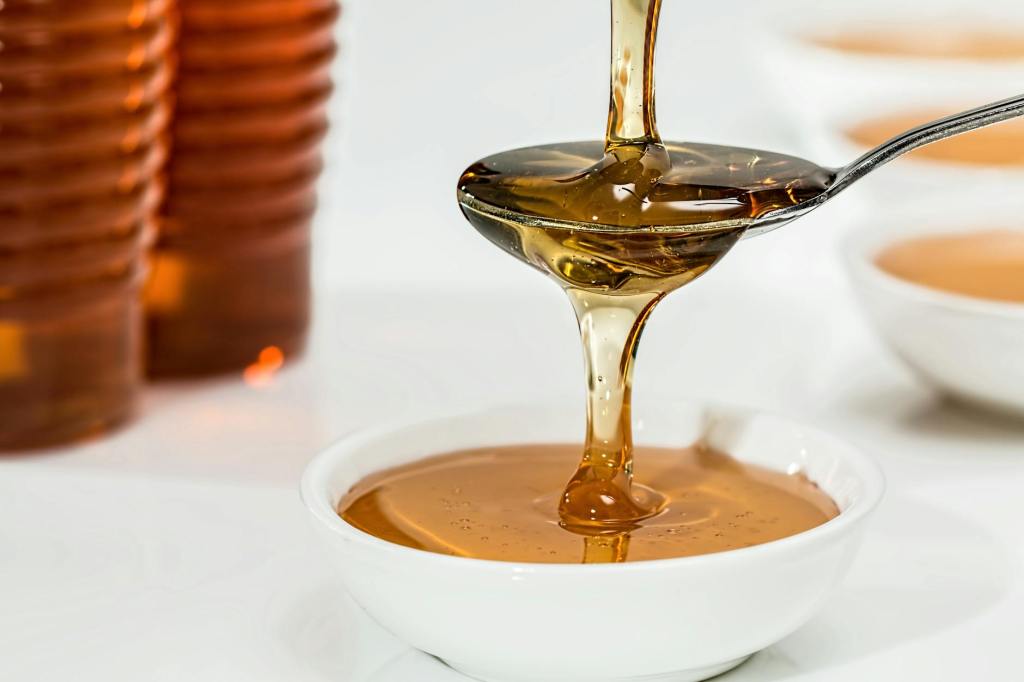
Honey is a natural sweetener produced by bees from the nectar of flowers. This “Golden Liquid”, renowned for its sweetness and distinct flavors, has been used by humans for thousands of years. Honey is a complex mixture of sugars, water, enzymes, vitamins, and minerals, making it not only a delicious addition to various dishes but also a versatile ingredient in traditional medicine and skincare.
Honey’s flavor, aroma, and color can vary significantly depending on the floral source of the nectar. Clover, acacia, manuka, and buckwheat are just a few examples of the many types of honey; each type of honey has its own unique characteristics. Clover honey, for example, is light and mild, making it a popular choice for everyday use, while manuka honey, native to New Zealand, is known for its strong, earthy flavor and potent antibacterial properties.
Honey has been valued for its medicinal properties throughout history. Ancient civilizations, such as the Egyptians, Greeks, and Romans, used honey for its antibacterial and healing qualities. Modern science has explored many of these traditional uses, attributing honey’s health benefits to its high antioxidant content, natural enzymes, and antimicrobial properties. Honey is commonly used to soothe sore throats, treat wounds, and alleviate coughs, making it a staple in both traditional and modern medicine cabinets.
How Is Honey Made?
The process of making honey begins when bees collect nectar from flowers using their proboscis, a tube-like tongue. Once the nectar is collected, it is stored in the bee’s honey stomach, where it mixes with enzymes that break down the complex sugars into simpler ones. Upon returning to the hive, the nectar is regurgitated and passed from bee to bee until it gradually thickens. This process, combined with the evaporation of water due to the fanning of bees’ wings, transforms the nectar into honey. The honey is then stored in honeycomb cells, which are sealed with beeswax for preservation.
The Different Types of Honey
Believe it or not, but there are over 300 different types of honey! They are categorized based on their flower source. Some common flower sources for monofloral honey include alfalfa, clover, eucalyptus, orange blossom, and blueberry. Still, honey produced from the same flower source can vary in taste based on environmental factors such as temperature and rainfall. Typically, lighter colored honeys have a milder taste when compared to darker colored honeys.
Pasteurized honey
Pasteurized honey is honey that has been heated to high temperatures to kill any yeast cells, remove crystallization, and extend its shelf life. This process also makes the honey smoother and easier to handle for commercial use. While pasteurization helps to prevent fermentation and spoilage, it can also reduce some of the honey’s natural enzymes, vitamins, and antioxidants. As a result, pasteurized honey may not retain all of the beneficial properties found in raw honey. It is commonly used in food processing and found in many grocery stores.
Raw honey
Raw honey is honey that is extracted directly from the honeycomb and undergoes minimal processing – typically straining to remove wax and other debris. It is not heated or pasteurized, preserving its natural enzymes, vitamins, and antioxidants. Raw honey often contains small amounts of pollen and propolis, which contribute to its potential health benefits, including antimicrobial and anti-inflammatory properties.
Granulated honey
Granulated honey, also known as crystallized or sugared honey, is honey that has naturally solidified over time. This crystallization process occurs when the glucose in the honey separates from the water and forms crystals. Granulated honey is still perfectly edible and retains all its flavor and nutritional benefits. It is often preferred for adding to tea because of its thicker, grainy texture. To return granulated honey to its liquid state, it can be gently heated in a warm water bath.
Comb honey
Comb honey is honey that is still contained within its original beeswax comb. It is harvested directly from the hive without any extraction or processing. Comb honey can be chewed to enjoy the honey and then discarded. This type of honey provides a more authentic, as it includes all the components of the hive. It is often used as a gourmet treat, in charcuterie boards, or as an addition to various dishes.
Creamed honey
Creamed honey, also known as whipped or spun honey, is honey that has been processed to control crystallization, resulting in a smooth, spreadable texture. The process involves seeding liquid honey with finely granulated honey and then storing it at a cool temperature while stirring until it reaches the desired consistency. Creamed honey does not drip and is easy to spread, making it ideal for use on toast, muffins, or as a topping for desserts. It retains all the flavor and nutritional benefits of regular honey but offers a different texture that some people find more convenient and enjoyable.
What Does Honey Taste Like?
Light Honey
Light-colored honeys, such as clover or acacia honey, are typically mild and delicate in flavor. Clover honey, for instance, has a light, sweet taste with subtle floral notes that make it a versatile sweetener for teas, baked goods, and everyday use. Acacia honey, another light variety, is known for its clear, almost transparent appearance and its clean, sweet taste with a hint of vanilla.
Dark Honey
In contrast, dark-colored honeys, such as buckwheat or manuka honey, have a much stronger and more distinctive taste. Buckwheat honey is rich, malty, and robust, with earthy undertones that can border on being slightly bitter. This makes it an excellent choice for marinades, barbecue sauces, and hearty bread. Manuka honey, which comes from the Manuka tree in New Zealand, has a complex, slightly medicinal flavor with notes of caramel and herbs. It is prized not only for its unique taste but also for its potent antibacterial properties.
Multifloral Honey
Multifloral or wildflower honey, which is made from the nectar of various flowers, offers a diverse and variable taste profile. The flavor can change from batch to batch, depending on which flowers were in bloom at the time of production. This type of honey often has a balanced, complex flavor that is both sweet and aromatic, making it a versatile option for general culinary use.
Specialty Honey
Some specialty honeys have unique flavors that reflect the specific flowers the bees visited. For example, orange blossom honey has a bright, citrusy taste with a pleasant floral aroma, making it perfect for drizzling over yogurt or adding to salad dressings. Lavender honey, on the other hand, carries the distinct, aromatic fragrance of lavender flowers, offering a sweet, slightly perfumed flavor that pairs wonderfully with cheeses and desserts.
Uses of Honey
Culinary Uses
- Sweeteners: Honey is a popular alternative to sugar in teas, coffees, and other beverages.
- Cooking: In cooking, honey can be used in glazes and marinades for meats, adding a rich sweetness and helping create a caramelized crust. It is also a common ingredient in salad dressings, sauces, and dips.
- Baking: Honey is used in baking to add moisture, sweetness, and a golden-brown color to bread, muffins, cakes, and cookies. Its hygroscopic nature helps keep baked goods moist.
- Preservation: Honey’s antimicrobial properties make it a natural preservative. It has been used historically to preserve fruits and other perishables.
Medicinal Uses
- Coughs and Sore Throat: Honey is a well-known remedy for soothing sore throats and suppressing coughs. A spoonful of honey, often mixed with lemon or ginger, can provide relief from respiratory symptoms.
- Digestive Health: Honey can aid digestion and is used to treat various gastrointestinal issues. It acts as a prebiotic, promoting the growth of healthy bacteria in the gut.
Skincare & Beauty
- Moisturizer: Honey can be used as a natural moisturizer, helping to hydrate and soften the skin. It is often included in face masks, lotions, and creams.
- Hair Care: Honey is used in hair care products to add shine, retain moisture, and strengthen hair. It can be mixed with other natural ingredients for a nourishing hair mask.
Health Benefits of Honey
Antibacterial and Antimicrobial Properties
Honey possesses strong antibacterial and antimicrobial properties, largely due to the presence of hydrogen peroxide, low pH, and high sugar content, which inhibit the growth of bacteria. Manuka honey, in particular, is renowned for its potent antibacterial effects and is used in medical settings to treat wounds, burns, and skin infections. Applying honey to minor cuts and burns can promote faster healing and reduce the risk of infection.
Soothing Sore Throats and Coughs
Honey is used for soothing sore throats and alleviating coughs. Its thick consistency and natural sweetness can help coat the throat, providing a soothing effect. Some studies have shown that honey can be as effective as some over-the-counter cough medicines in reducing the frequency and severity of nighttime coughing . A common remedy involves mixing honey with warm water, lemon, or ginger to create a soothing drink.
Antioxidant Properties
Honey is rich in antioxidants, including phenolic acids and flavonoids, which help combat oxidative stress in the body. These antioxidants can neutralize harmful free radicals, and possibly reduce the risk of chronic diseases such as heart disease, cancer, and neurodegenerative disorders.
Digestive Health
Honey can play a beneficial role in digestive health. It acts as a prebiotic, promoting the growth of beneficial gut bacteria. This can help maintain a healthy balance of gut microbiota, which is essential for proper digestion and overall well-being.
While honey offers numerous health benefits, it is important to consume it in moderation due to its high sugar content. Additionally, honey should not be given to infants under one year of age due to the risk of botulism. Always consult with a healthcare provider before using honey as a treatment for any medical condition.
 Delicious Defined
Leave a comment