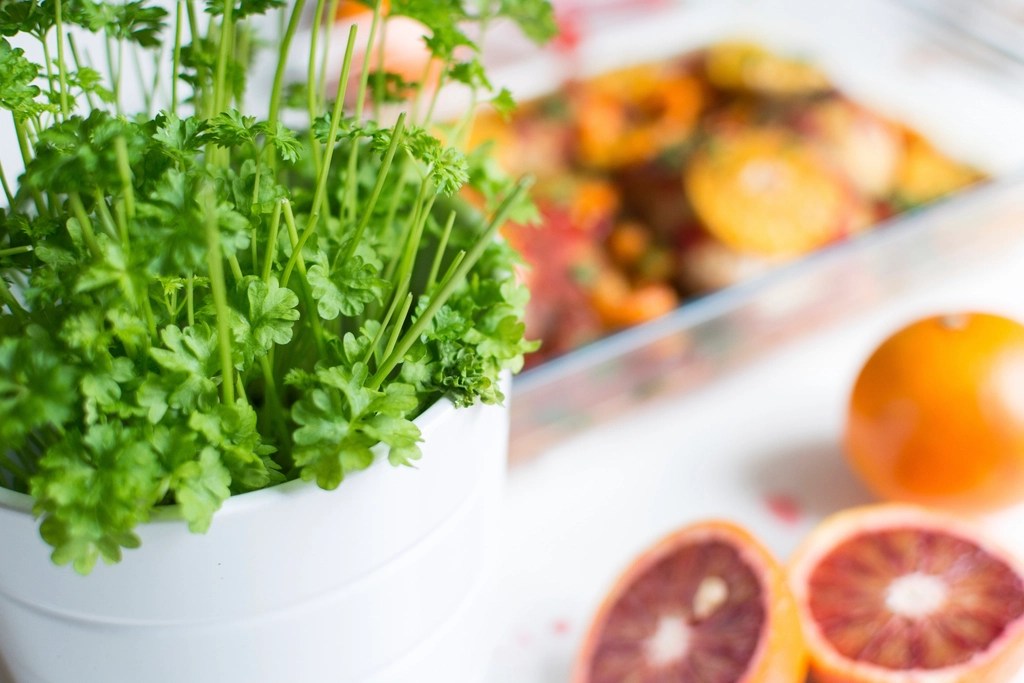
A Brief Introduction to Parsley
Parsley, often regarded as a staple herb in kitchens worldwide, is a bright, leafy green plant that belongs to the Apiaceae family. Native to the Mediterranean region, parsley has been cultivated for thousands of years, not only for its culinary uses but also for its medicinal properties and symbolic meanings. Historically cherished by ancient Greeks and Romans, parsley was associated with vitality and renewal, and it continues to hold cultural significance in many parts of the world today.
This versatile herb comes in two main varieties: curly-leaf parsley, known for its decorative appeal, and flat-leaf parsley (also called Italian parsley), prized for its robust flavor. Its fresh, slightly peppery taste makes it a key ingredient in a wide array of dishes, from salads and soups to sauces and marinades. Beyond its culinary uses, parsley is packed with vitamins and minerals, making it a nutritious addition to any diet.
Whether used as a garnish, flavor enhancer, or the star of a dish, parsley has earned its place as a kitchen essential. In this guide, we will delve into everything you need to know about parsley—from its types and health benefits to tips for storing, preparing, and cooking with it—helping you make the most of this humble yet extraordinary herb.
The Different Types of Parsley
Parsley’s appearance depends on its variety. Curly-leaf parsley has tightly curled, frilly leaves that are bright green, making it visually appealing as a garnish. Flat-leaf parsley has smoother, broader leaves that resemble cilantro but with a slightly darker green hue. In terms of flavor, parsley is fresh, slightly peppery, and mildly bitter. Flat-leaf parsley has a more pronounced, herbaceous flavor, while curly-leaf parsley is milder and less intense. Both varieties complement a wide range of dishes, adding a burst of brightness and freshness.
There are two main types of parsley:
Curly-Leaf Parsley
Recognizable by its ruffled, decorative leaves, this variety is often used as a garnish. It has a mild flavor and is popular for adding visual appeal to dishes.
Flat-Leaf Parsley
Also called Italian parsley, this variety has broader, flat leaves and a more robust flavor. It is preferred for cooking due to its stronger taste and easier handling.
Parsley’s appearance depends on its variety. Curly-leaf parsley has tightly curled, frilly leaves that are bright green, making it visually appealing as a garnish. Flat-leaf parsley has smoother, broader leaves that resemble cilantro but with a slightly darker green hue. In terms of flavor, parsley is fresh, slightly peppery, and mildly bitter. Flat-leaf parsley has a more pronounced, herbaceous flavor, while curly-leaf parsley is milder and less intense. Both varieties complement a wide range of dishes, adding a burst of brightness and freshness.
Buying & Storing Parsley
When buying and selecting parsley, freshness is key to maximizing flavor and nutritional benefits. Look for vibrant green leaves without yellowing or wilting, and avoid any bunches with slimy or discolored stems. Flat-leaf (Italian) parsley offers a stronger, more robust taste, while curly parsley has a milder flavor and is often used for garnish. Choosing the right type depends on your recipe, whether for enhancing savory dishes or adding a fresh, herbal touch.
Selecting Parsley
When selecting parsley, look for bright green leaves that are fresh and crisp. Avoid bunches with wilted, yellowing, or slimy leaves, as these indicate age or poor storage. Flat-leaf (Italian) parsley tends to have a stronger flavor, making it ideal for cooking, while curly-leaf parsley is often used as a garnish. Choose according to your recipe needs.
Storing Fresh Parsley
To keep parsley fresh, trim the stems slightly and place the bunch in a glass or jar of water, like a bouquet of flowers. Cover the leaves loosely with a plastic bag and store it in the refrigerator. This method can keep parsley fresh for up to a week or more. Alternatively, wrap the stems in a damp paper towel, place them in a resealable plastic bag, and refrigerate.
Freezing Parsley
For longer storage, parsley can be frozen. Wash and dry the leaves thoroughly, then chop them finely. Place the chopped parsley in an ice cube tray, cover with water or olive oil, and freeze. Once frozen, transfer the cubes to a freezer bag for easy use in soups, stews, and sauces.
Drying Parsley
If you prefer dried parsley, tie the bunch with string and hang it upside down in a warm, well-ventilated area out of direct sunlight. Once the leaves are completely dry, crumble them and store them in an airtight container away from heat and light.
Parsley in Different Cuisines
Parsley is a versatile herb featured in many global cuisines. In Mediterranean cooking, flat-leaf parsley is a staple in dishes like tabbouleh, a refreshing salad made with bulgur, tomatoes, and lemon juice. Italian cuisine frequently uses parsley in pasta sauces, soups, and as a garnish for seafood dishes.
In Middle Eastern recipes, parsley is often combined with garlic and olive oil to create zesty marinades and dips. French cuisine uses parsley in the classic “persillade,” a mixture of parsley and garlic, as well as in bouquet garni for flavoring stocks and stews.
In Latin American cooking, parsley is a key ingredient in chimichurri, a vibrant sauce used for grilled meats. Meanwhile, in Asian cuisine, parsley occasionally appears as a garnish or in soups and noodle dishes for added freshness.
Uses of Parsley
Parsley is a versatile ingredient that can be used in countless recipes, both as a primary flavor and as a garnish. It adds freshness and color to salads, such as tabbouleh, and brightens up pasta dishes, soups, and stews. Parsley can be blended into sauces like chimichurri or pesto, offering a vibrant and herbaceous flavor. It’s often sprinkled over roasted vegetables, grilled meats, and seafood for an extra layer of flavor and visual appeal. Additionally, parsley is a key component in compound butters, marinades, and salad dressings. Its mild flavor complements a variety of ingredients, making it an essential herb in both raw and cooked dishes.
Health benefits of parsley
- Rich in Vitamins: Parsley is a good source of vitamins A, C, and K, which are important for immune health, skin health, and bone strength.
- High in Antioxidants: Contains antioxidants like flavonoids and vitamin C, which help fight oxidative stress and reduce inflammation.
- Supports Digestive Health: Parsley is known for its ability to aid digestion and relieve bloating and gas.
- Promotes Healthy Kidneys: Parsley is often used as a natural diuretic to help flush excess sodium and water from the body, supporting kidney function.
- Boosts Immunity: The high vitamin C content in parsley helps strengthen the immune system, protecting against colds and infections.
- Supports Heart Health: The potassium and folate in parsley may help lower blood pressure and improve cardiovascular health.
- Aids in Bone Health: Vitamin K in parsley plays a crucial role in maintaining strong bones and preventing bone fractures.
- Promotes Healthy Skin: The antioxidants and vitamins in parsley help reduce signs of aging and promote healthy, glowing skin.
- May Improve Bad Breath: Parsley has been traditionally used to freshen breath due to its natural antibacterial properties.
- Rich in Iron: Parsley contains iron, which is essential for healthy red blood cells and preventing iron deficiency anemia.
Disclaimer: While parsley offers several potential health benefits, it should not be used as a substitute for professional medical advice, diagnosis, or treatment. Always consult with a healthcare provider before making significant changes to your diet or using parsley as a supplement, especially if you have underlying health conditions.
 Delicious Defined
Leave a comment