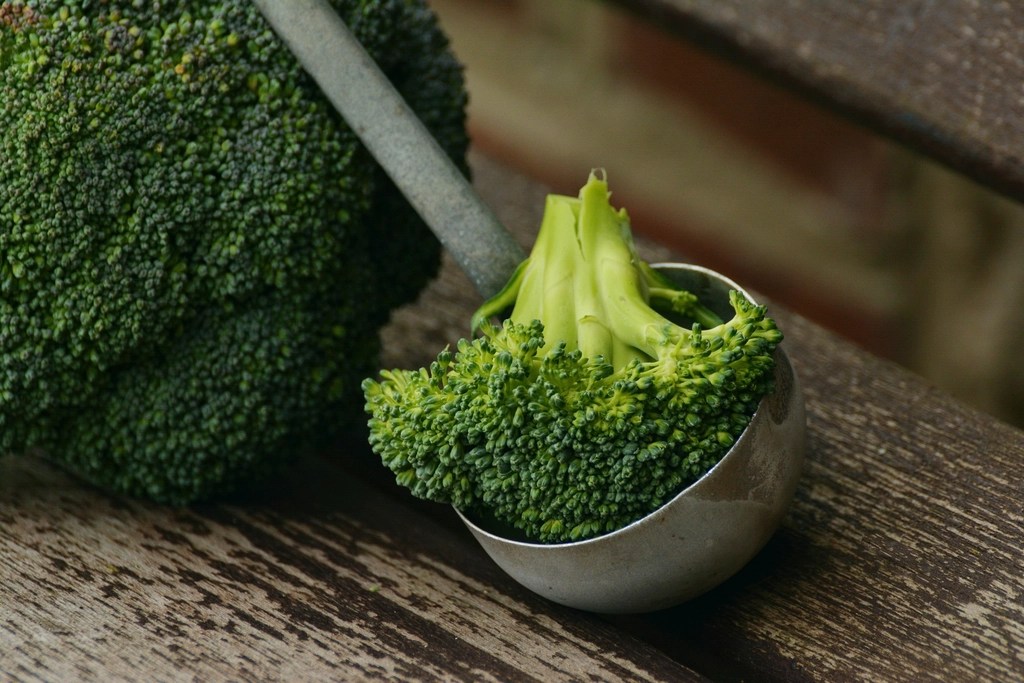
Broccoli is a vegetable that belongs to the Brassica oleracea species, which also includes cauliflower, cabbage and kale. It is characterized by its green color and a thick stalk with tightly packed flower buds on top. This vegetable can be served alone or as part of a main dish, such as soups and pastas. Additionally, this versatile ingredient is a great source of vitamins, minerals, and antioxidants.
The History of Broccoli
Broccoli’s origins can be traced back to ancient Rome, where it was cultivated from wild cabbage, a Brassica oleracea species, much like its cousins kale, cauliflower, and cabbage. The word “broccoli” is derived from the Italian word broccolo, which means “the flowering top of a cabbage,” a fitting description for its distinct appearance.
For centuries, broccoli remained primarily a Mediterranean delicacy that was treasured by Italians. During the 6th century BCE, the Ancient Romans cultivated and consumed broccoli, appreciating its flavor and perceived medicinal properties. Historical texts suggest that Roman emperors and citizens alike enjoyed this form of the vegetable, often preparing it with olive oil and spices.
During the 16th century, broccoli was introduced to the rest of Europe when Italian noblewoman Catherine de Medici spread Italian culinary traditions to France. However, it wasn’t until the 16th century that broccoli began to venture beyond the Italian peninsula. Its adoption across Europe was slow. It was viewed more as a novelty or a garden curiosity rather than a widespread food staple.
Despite being introduced to Europe in the 1500s, it did not reach the New World until the 18th century when Italian immigrants brought broccoli to the United States. However, it wasn’t until the early 20th century that it gained significant traction. Farmers in California, particularly in the fertile Salinas Valley, began cultivating broccoli on a larger scale. Brothers Stefano and Andrea D’Arrigo are often credited with popularizing broccoli in the United States, importing it from Messina, Italy, in 1922 and shipping it across the country, primarily to Boston. As a result, broccoli transformed from an ethnic vegetable into a popular, household vegetable.
Broccoli is cultivated globally, with China, India, and the United States being the largest producers.
Uses of Broccoli
Broccoli’s culinary versatility is one of its defining characteristics. Its mild, earthy flavor and satisfying texture make it an ideal candidate for various cooking applications, as it can be served raw, roasted, stir-fried, steamed, or in dishes such as soups and pastas.
Popular Dishes & Preparation
- Steaming: Perhaps the simplest and most common method, steaming broccoli preserves its vibrant color, crisp-tender texture, and much of its nutritional value. A light drizzle of olive oil, a squeeze of lemon juice, and a sprinkle of salt are all it needs.
- Roasting: Roasting broccoli transforms its flavor, bringing out a deeper, slightly nutty sweetness. Tossed with olive oil, garlic, and a pinch of red pepper flakes, roasted broccoli florets become irresistibly caramelized and tender. This method is great for a quick and flavorful side dish.
- Stir-Frying: Broccoli is a key ingredient in Asian-inspired stir-fries, as it absorbs the rich flavors of soy sauce, ginger, and garlic. Its sturdy texture holds up well to high heat cooking, making it a perfect addition to a medley of vegetables and proteins.
- Soups and Stews: Broccoli adds both flavor and body to creamy soups, often blended for a smooth, velvety texture, or added in florets for a heartier chew. It also makes a nutritious addition to vegetable stews, contributing to their nutritional density.
- Salads: Raw or lightly blanched broccoli florets provide a delightful crunch and fresh flavor to salads. Broccoli slaw, made from finely shredded broccoli stems, is a popular choice for a lighter, vibrant side.
- Pastas: Broccoli readily integrates into pasta dishes, either as a primary vegetable mixed with sauce or blended into a creamy pesto-like sauce for a vibrant green twist.
- Gratins and Casseroles: Layered with cheese sauces and other ingredients, broccoli bakes beautifully into comforting gratins and casseroles, offering a wholesome and satisfying meal.
Lesser-Known Applications & Preparation Tips
- Broccoli Stems: The outer layer of the broccoli stem can be peeled, and the inner part of the stem can be sliced for various dishes, such as salads.
- Broccoli Rice: For a low-carb alternative, broccoli can be pulsed in a food processor until it resembles rice grains. This “broccoli rice” can be sautéed with seasonings and used as a base for meals or mixed into other dishes.
- Broccoli Pesto: While traditional pesto uses basil, broccoli can be blanched and blended with nuts, Parmesan, garlic, and olive oil for a healthier and more nutritious take on the classic pesto.
- Broccoli Juicing/Smoothies: For a concentrated nutritional boost, raw broccoli can be added to vegetable juices or green smoothies. Its mild flavor blends well with fruits and other vegetables.
Preparation Tips
- Washing: Always wash broccoli thoroughly under cold running water to remove any dirt or small insects that might be hidden within the florets.
- Cutting: Separate the florets from the main stem. Cut the florets into uniform sizes to ensure even cooking. The stem can be peeled and sliced for use.
- Blanching: For salads or to preserve its vibrant green color before other cooking methods, blanch broccoli quickly in boiling salted water for 1-2 minutes, then immediately plunge into an ice bath to stop the cooking process.
- Seasoning: Broccoli pairs well with a wide range of seasonings, including garlic, lemon, chili flakes, nutritional yeast (for a cheesy flavor), soy sauce, sesame oil, and various herbs like thyme and oregano.
Health Benefits of Broccoli
Broccoli is often hailed as a “superfood,” and for good reason. Its nutritional profile is packed with vitamins, minerals, fiber, and potent bioactive compounds that contribute to a remarkable array of health benefits.
Nutritional Profile
A typical serving of broccoli (approximately one cup, or 91 grams, raw) is remarkably low in calories but rich in essential nutrients:
- Calories: Approximately 30-35
- Protein: ~2.5 grams
- Fiber: ~2.4 grams (contributing significantly to daily fiber needs)
- Carbohydrates: ~6 grams (mostly complex carbohydrates)
- Fat: Negligible
Key Vitamins & Minerals
- Vitamin A (in the form of beta-carotene): Important for vision, immune function, and skin health; prevents macular degeneration and cataracts.
- Vitamin B6: Involved in protein and red blood cell formation, as well as brain function
- Vitamin C: An exceptional source, providing over 100% of the Daily Value (DV) in a single cup. Vitamin C is a powerful antioxidant crucial for immune function, collagen synthesis, and skin health.
- Vitamin K: Vital for blood clotting and bone health, which prevents and treats osteoporosis
- Folate (Vitamin B9): Important for cell growth and function, DNA synthesis, and crucial during pregnancy to prevent neural tube defects.
- Potassium: Maintains fluid balance, nerve signals, muscle contractions, including heart muscle function, and blood pressure
- Manganese: Involved in bone formation, metabolism, and antioxidant defense.
- Iron: Important for oxygen transport in the blood and energy production.
- Vitamin E: Antioxidant that protects cells from damage.
- Phosphorus: Essential for bone and teeth health, and energy metabolism.
Health Benefits
- Powerful Antioxidant Properties: Broccoli is packed with antioxidants, including Vitamin C, Vitamin E, beta-carotene, and various flavonoids like kaempferol and quercetin. Antioxidants can prevent the development of various conditions (cancer, cardiovascular diseases, and Type 2 Diabetes among others) by reducing inflammation, managing blood sugar and blood pressure, and lowering the risk of atherosclerosis.
- Anti-Inflammatory Effects: Broccoli hosts many anti-inflammatory compounds, such as sulforaphane and indole-3-carbinol (I3C), which help regulate inflammatory responses in the body.
- Improved Digestive Health: Broccoli’s high fiber content helps healthy digestion by promoting regular bowel movements and preventing constipation. Additionally, it serves as a prebiotic, leading to better gut health.
- Heart Health: Broccoli supports cardiovascular health in several ways. Its fiber content helps lower cholesterol levels by binding to bile acids. The presence of potassium helps regulate blood pressure, while antioxidants protect against oxidative damage to blood vessels. Sulforaphane may also contribute to heart health by reducing arterial stiffness and preventing blood clot formation.
- Blood Sugar Control: The fiber in broccoli helps regulate blood sugar levels by slowing down the absorption of sugar into the bloodstream, making it a beneficial food for individuals with diabetes or those at risk.
- Bone Health: With excellent levels of Vitamin K and good amounts of calcium and phosphorus, broccoli is a strong contributor to bone density and strength, helping to prevent conditions like osteoporosis.
- Immune System Boost: The abundant Vitamin C in broccoli is a powerful immune stimulant, enhancing the body’s ability to fight off infections.
- Skin Health: Vitamin C is crucial for collagen production, which maintains skin elasticity and firmness. Antioxidants also help protect skin cells from damage caused by UV radiation and environmental pollutants.
- Detoxification Support: Broccoli also hosts many sulfur-containing compounds (like sulforaphane) in broccoli, which enhance one’s detoxification pathway, thus neutralizing harmful toxins.
Incorporating broccoli regularly into your diet is a simple yet powerful way to harness these health benefits and support overall well-being.
Everything Else You Need to Know About Broccoli
Beyond its history, uses, and health benefits, there’s a fascinating world of information about broccoli that can enhance your appreciation and help you make the most of this incredible vegetable.
The Different Types of Broccoli
While the most common variety of broccoli found in supermarkets is “Calabrese” (named after its origin, Calabria, Italy), there are several other types:
- Broccoli Rabe (Rapini): Despite the name, broccoli rabe is botanically closer to a turnip than to standard broccoli. It has smaller florets, thin stems, and leafy greens, with a distinctly bitter, pungent flavor. It’s very popular in Italian cuisine.
- Broccolini (Asparation): This is a hybrid cross between regular broccoli and Chinese kale (gai lan). It has long, slender stems, small florets, and a milder, sweeter flavor than standard broccoli. It’s often favored for its tender texture and elegant appearance.
- Purple Sprouting Broccoli: A stunning variety with purple florets that turn green when cooked. It has a slightly sweeter and more delicate flavor than green broccoli and is popular in the UK.
- Romanesco Broccoli: This has a fractal-like, geometric appearance. It has a slightly nuttier, earthier flavor and a firmer texture than standard broccoli.
- Gai Lan (Chinese Broccoli): A leafy green vegetable with thick stems and small florets. It has a slightly bitter flavor and is a staple in many Asian cuisines, often stir-fried or steamed.
Storage Tips for Freshness
Proper storage is key to extending broccoli’s shelf life and maintaining its crispness and nutritional value.
- Refrigerate Unwashed: Store unwashed broccoli in an open plastic bag in the crisper drawer of your refrigerator. It is best not to wash it before storing it, as it can result in mold growth.
- Humidity is Key: Broccoli thrives in high humidity. If your crisper drawer doesn’t offer enough humidity, consider placing a damp paper towel around the base of the stems.
- Avoid Ethylene-Producing Fruits: Keep broccoli away from ethylene-producing fruits like apples, bananas, and melons, as ethylene gas can cause broccoli to yellow and spoil more quickly.
- Use Within a Week: Use fresh broccoli within 5-7 days of purchase for optimal flavor and texture.
- Freezing for Longer Storage: If you want to store broccoli for several months, blanch it first. Cut into florets, blanch in boiling water for 3-4 minutes, then immediately plunge into ice water. Drain thoroughly, pat dry, and store in airtight freezer bags.
Picking the Best Broccoli
When shopping for broccoli at the grocery store, it is important to look for the following indicators to determine freshness and quality:
- Color: Choose broccoli with deep green, vibrant florets. Avoid any that are yellowing, which indicates age and a loss of flavor and nutrients.
- Compact Florets: The florets should be tightly packed and firm, not loose or opening up.
- Stems: The stems should be firm and not rubbery or soft.
- No Spots: Avoid broccoli with brown spots, mold, or slimy areas.
- Smell: Fresh broccoli should have a subtle, earthy scent, not a strong, unpleasant odor.
Fun Facts About Broccoli
- High Protein: Broccoli contains a higher protein per calorie than most vegetables. While not a primary protein source, broccoli contains more protein per calorie than most other vegetables.
- Part of the Cabbage Family: Broccoli belongs to the Brassica oleracea species, which includes a wide array of popular vegetables like cabbage, cauliflower, kale, and Brussels sprouts, all descendants of the wild mustard plant.
- Broccoli as a Symbol: In some cultures, broccoli has become a humorous symbol of healthy eating, often featured in cartoons or memes depicting nutritious food.
From its ancient Roman roots to its modern-day superfood status, broccoli continues to impress with its versatility, nutritional prowess, and compelling story. By understanding these various facets, you can fully appreciate and utilize this truly remarkable vegetable in your kitchen.

 Delicious Defined
Leave a comment