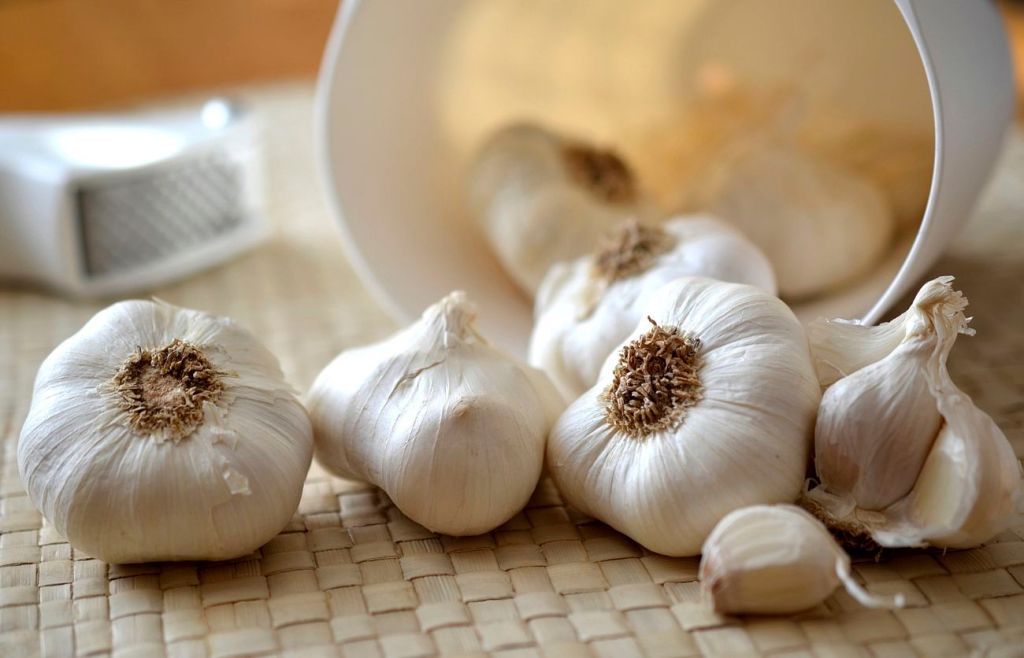
From ancient remedies to a culinary staple, garlic has been cherished and celebrated across cultures for centuries. With its pungent aroma and unmistakable flavor, this humble bulb has earned its place in kitchens worldwide, not just as a spice, but as a powerful superfood. Garlic’s incredible versatility lends itself to a wide range of dishes, enhancing flavors and offering numerous health benefits.
- What is garlic?
- History of garlic
- What does garlic taste like?
- Uses of garlic
- How to store garlic
- Health benefits of garlic
What is garlic?
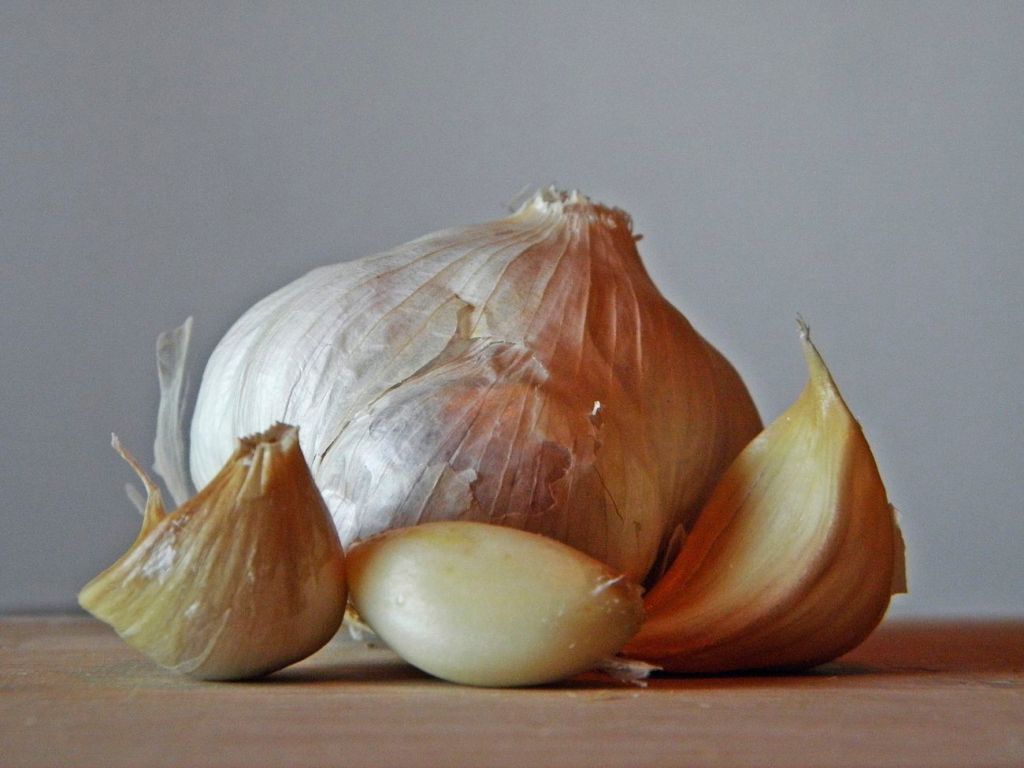
Garlic is a bulbous plant belonging to the genus, Allium, which also includes onions, leeks, shallots, and chives. Botanically, garlic is considered a vegetable. It is grown underground in the form of a bulb. A bulb, or head, of garlic, is covered in an inedible thin, paperlike skin, known as the outer peel. A head of garlic is comprised of individual sections called cloves; on average, a head of garlic from the supermarket will contain 10 to 12 cloves. The cloves are each covered in an inedible thin, paperlike skin, known as the inner peel – this is very similar to the outer peel. The long green shoots of garlic produce flower stalks, known as scapes. Garlic scapes are edible and have a milder flavor than a garlic clove, tasting like a cross between chives and garlic.
History of Garlic
Garlic has a long and storied history, with evidence of its use dating back over 5,000 years. It was prized by ancient civilizations such as the Egyptians, Indians, and Chinese for its culinary and medicinal purposes, as well as its use as a food preservative. In fact, garlic was so valuable that ancient Egyptians used it as a currency. Wild garlic used to grow across a wide region, including Asia, India, Egypt, and Eastern Europe. But today, it primarily grows wild only in Central Asia.
Garlic arrived in Europe during the Middle Ages through Roman invaders, but it wasn’t widely embraced as a food by the ruling classes due to its association with the labor class. It wasn’t until the Renaissance that its popularity grew due to its resilience as a plant, long storage life, and taste. Garlic had various uses in different cultures, including medicinal applications prescribed by ancient physicians like Hippocrates and Pliny the Elder. It was also believed to ward off evil spirits and protect against supernatural creatures like vampires and werewolves.
In North America, a close cousin of garlic has long been grown, but, it was not until the 17th century that the culinary staple we all know today was introduced to the region by Spanish, French, and Portuguese explorers.
What does garlic taste like?
Typically, garlic is used as a flavoring ingredient rather than a main ingredient. The way it is used and cooked often has a profound impact on the flavor of a dish, as well as how garlicky the dish is. The primary compound responsible for the distinct taste and aroma of garlic is allicin, which is released when the cloves are crushed or minced. This sulfur-containing compound gives garlic its characteristic smell and contributes to its health-promoting properties.
Raw garlic has a very strong, sharp, and slightly spicy flavor, making it perfect for sauces, dips, and dressings.
Cooking garlic transforms its flavor, mellowing out its sharpness and pungency. When heated, the compounds in garlic, such as allicin, break down, resulting in a more subtle and savory taste.
Uses of garlic
Garlic is a versatile ingredient that adds depth and flavor to countless dishes. It is a key component in various cuisines, including Italian, Mediterranean, Asian, and Middle Eastern. The list of ways garlic is used is endless: it can be added to dishes that are roasted, sauteed, baked, or braised, just to name a few. Or, it can be used as part of a spice rub, marinade, sauce, or dressing. An entire head of garlic can even be roasted whole, resulting in tender cloves that can be used as a spread. Here are just some ideas:
- Sauces and marinades: Garlic forms the base of many flavorful sauces and marinades, such as the classic Italian marinara sauce, a pesto, or an aioli.
- Soups and stews: Garlic adds complexity and depth to soups, stews, and broths, enhancing their overall flavor profile.
- Roasted and grilled dishes: Whole cloves of garlic, when roasted or grilled, become soft, creamy, and deliciously sweet. They can be spread on bread or incorporated into meat and vegetable dishes.
- Stir-fries and sautés: Garlic is often one of the first ingredients added to hot oil in stir-fries and sautés, infusing the dish with its aroma and flavor.
No matter how you use garlic, the first step is to remove the skin. The best fool-proof method for this is to soak the cloves of garlic in warm water for a couple of minutes. In a matter of no time, the skin will slide right off, with no effort at all! Then, garlic can be sliced, minced, grated, crushed, pureed, or pressed. Because grated, crushing, pureeing, and pressing involve more handling of the garlic clove, the compound allicin is released, resulting in a much more pungent flavor, compared to sliced garlic.
When cooking with garlic, it is important to keep an eye on it, as it can burn quickly and give a bitter taste to the dish.

How to store garlic
Heads of garlic should be kept unpeeled and stored in a container with air circulation in a cool, dry place. It is important not to store garlic in an airtight container or a Ziploc bag because it will trap moisture, causing it to rot faster. Unpeeled garlic cloves should be stored in the same way as an unpeeled head of garlic.
Health benefits of garlic
Garlic is not only valued for its culinary contributions but also recognized for its potential health benefits. While research is still ongoing, studies suggest that garlic may provide the following health advantages:
- Cardiovascular health: Garlic is believed to help lower blood pressure, reduce cholesterol levels (studies suggest garlic can reduce LDL cholesterol levels by up to 10%), and prevent the formation of blood clots, thus promoting heart health.
- Immune system support: Garlic is rich in antioxidants and contains antimicrobial properties that may enhance immune function, potentially reducing the severity and duration of common illnesses.
- Anti-inflammatory effects: Some compounds in garlic have been shown to possess anti-inflammatory properties, which may help in reducing inflammation-related conditions in the body.
- Cancer prevention: Preliminary studies indicate that certain compounds found in garlic may have anticancer effects, potentially inhibiting the growth of cancer cells.
- Digestive health: Garlic can stimulate digestion and promote the growth of beneficial gut bacteria, aiding in overall digestive health.
Want to learn more about the health benefits of garlic? Click here!

 Delicious Defined
Leave a reply to cjdsign Cancel reply