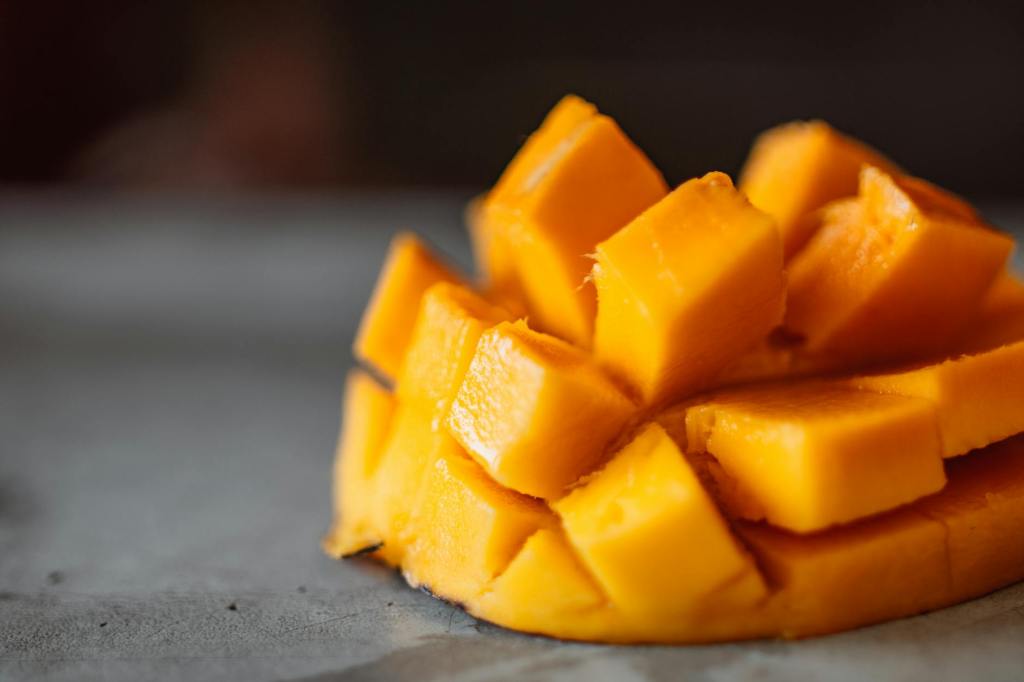
- A Brief Introduction to Mangos
- Where Are Mangoes grown?
- The Different Types of Mangoes
- What Do Mangoes Taste Like?
- Uses of Mango
- Health Benefits of Mangoes
A Brief Introduction to Mangos
Mangoes, often referred to as the “king of fruits,” are tropical stone fruits that belong to the genus Mangifera, with the most common species being Mangifera indica. Native to South Asia, particularly India and Southeast Asia, mangoes have been cultivated for over 4,000 years and are revered not only for their rich, sweet flavor but also for their cultural and religious significance in these regions. They thrive in warm, tropical climates and are now grown in many parts of the world, including Central and South America, Africa, and the Caribbean.
The fruit varies in size, shape, and color, depending on the variety. Mangoes can be oval, kidney-shaped, or round, with skin that ranges from green to yellow, red, or even orange. Inside, the flesh is typically golden-yellow, juicy, and aromatic, surrounding a single large seed. The flavor of a mango can range from tart to sweet, often with hints of peach, pineapple, or citrus, making it a versatile ingredient in both savory and sweet dishes
Nutritionally, mangoes are rich in vitamins A and C, which support immune function and skin health. They also provide a good amount of dietary fiber, antioxidants, and several essential minerals like potassium and magnesium. Mangoes are enjoyed fresh, dried, or as part of beverages, desserts, and even savory dishes. Their global popularity has made them a beloved fruit across many cultures, symbolizing prosperity, love, and fertility in various traditions.

Where Are Mangoes grown?
Mangoes are predominantly grown in tropical and subtropical regions around the world, where the warm climate and long growing seasons allow them to thrive. India is the largest producer of mangoes, contributing to nearly half of the world’s total production, with other major producers including China, Thailand, Indonesia, and the Philippines in Asia. In the Americas, Mexico is the leading exporter of mangoes, supplying much of the fruit consumed in the United States and Canada. Other significant growing regions include Brazil, Peru, and parts of Central America. In Africa, countries like Egypt, Nigeria, and Kenya have substantial mango production, while Australia and parts of the Caribbean also contribute to the global supply. These regions provide the ideal conditions—high temperatures, abundant sunlight, and well-drained soil—that are essential for growing the diverse varieties of mangoes enjoyed worldwide.
The Different Types of Mangoes
Mangoes come in a variety of types, each with its own unique flavor profile and texture, making them a versatile fruit enjoyed around the world. From the vibrant and tangy Haden to the creamy and sweet Ataulfo, these varieties offer distinct characteristics that cater to different tastes and culinary uses. Whether it’s the durable Tommy Atkins, the juicy Kent, or the luxurious Alphonso, each mango type brings its own special qualities to the table. Understanding these main varieties helps appreciate the diverse flavors and textures that make mangoes a beloved fruit in many cuisines.
Haden Mango
The Haden mango is a well-regarded variety with its roots in Florida, known for its vibrant red and yellow skin and juicy, sweet flavor. Its flesh is moderately fibrous but rich in taste, making it a popular choice for fresh eating and salsas. This mango’s bright coloring and aromatic qualities make it a standout in fruit displays and a favorite among those who enjoy a classic mango flavor.
Ataulfo Mango
The Ataulfo mango, also known as the Honey or Champagne mango, is celebrated for its small size, smooth texture, and intensely sweet flavor. Originating from Mexico, this variety is prized for its creamy, fiberless flesh, which offers a luxurious mouthfeel. Its deep golden skin and rich taste make it a top choice for smoothies, desserts, and snacking.
Tommy Atkins Mango
The Tommy Atkins mango is a widely available variety, appreciated for its durability and long shelf life. With its firm texture and mild, sweet flavor, it is commonly found in supermarkets. The mango’s reddish skin with green and yellow hues can sometimes be fibrous, but its resilience to bruising makes it a practical choice for both consumers and exporters.
Kent Mango
The Kent mango is known for its juicy, tender flesh and minimal fiber, providing a delightful eating experience. It has a greenish-yellow skin with occasional red blush and offers a sweet, slightly tangy flavor. Typically available in the winter months, the Kent mango is favored for its smooth texture and rich taste, making it ideal for a variety of culinary uses.
Alphonso Mango
The Alphonso mango, often referred to as the “king of mangoes,” is renowned for its exceptional flavor and smooth, buttery texture. Hailing from India, this premium variety is celebrated for its aromatic, sweet taste and minimal fiber. The Alphonso’s rich, golden flesh and distinctive flavor make it highly sought after for its exquisite taste, often used in gourmet dishes and desserts.
Kesar Mango
The Kesar mango, often referred to as the “queen of mangoes,” is renowned for its distinctive sweetness and aromatic fragrance. Originating from the Saurashtra region of Gujarat, India, this variety is celebrated for its vibrant orange-yellow skin and rich, creamy flesh. The Kesar mango is known for its minimal fiber and high sugar content, which imparts a delightful, honey-like flavor that is both sweet and slightly tangy. Its exquisite taste and smooth texture make it highly sought after in gourmet desserts and traditional Indian sweets. The Kesar mango is also prized for its bright color, which adds a visually appealing element to dishes, enhancing both their flavor and presentation.
What Do Mangoes Taste Like?
Mangoes offer a rich and complex flavor profile that varies slightly depending on the variety. Generally, they are known for their sweet and juicy taste, which can range from mildly sweet to intensely sugary. The flavor is often described as a tropical blend of peach, pineapple, and citrus, with hints of floral notes and a touch of tartness. The texture of mangoes is equally distinctive, with a smooth and creamy consistency that contrasts beautifully with their juiciness. Some varieties, like the Alphonso, are renowned for their buttery, almost custard-like mouthfeel, while others, such as the Haden, have a more fibrous texture.
Uses of Mango
- Eat fresh: Mangoes are perfect for eating fresh, either sliced or cubed. Their sweet, juicy flesh makes them a refreshing snack or a delicious addition to fruit salads. They can be enjoyed on their own or paired with other fruits for a vibrant, tropical combination.
- Drinks, Smoothies & Juices: Mangoes are a popular ingredient in smoothies and juices due to their rich flavor and natural sweetness. Blending mango with other fruits, yogurt, or coconut milk creates a creamy, nutritious drink. Mango juice, either on its own or mixed with other fruit juices, is also a refreshing option. Mangoes can be added to teas, mocktails, or cocktails.
- Desserts: Mangoes are widely used in desserts, where their sweet and aromatic qualities shine. They can be turned into sorbets, ice creams, and gelatos, or used in puddings and custards. Mangoes are also a key ingredient in tropical tarts and cheesecakes, adding a luscious flavor and appealing color.
- Salsas: Mango salsa combines diced mango with ingredients like onions, cilantro, lime juice, and chili peppers, creating a sweet and tangy condiment. This salsa is great with grilled fish, chicken, or tacos, adding a burst of flavor and a tropical twist to savory dishes.
- Sauces & Dressings: Mangoes can be pureed to create sauces and dressings that complement a range of dishes. Mango sauce can be used as a glaze for meats or drizzled over salads. Mango dressing adds a sweet and fruity note to green salads or grain bowls, enhancing their flavor and appeal.
- Baked Goods: Incorporating mango into baked goods adds moisture and a unique flavor. Mangoes can be added to cakes, muffins, and breads, where their sweetness infuses the batter and complements other ingredients. Mango chunks or puree can also be used in bars and crumbles for added texture and taste.
- Curry and Stews: Mangoes are sometimes used in savory dishes like curries and stews, where their sweetness balances out spicy and savory flavors. Mangoes can be cooked into sauces or added towards the end of cooking to maintain their texture, providing a complex flavor profile to the dish.
- Pickles: Mango pickles are a traditional condiment in many cuisines, especially in Indian cooking. They are made by preserving mango chunks in a mixture of spices, salt, and sometimes oil, creating a tangy and spicy accompaniment that pairs well with rice, dal, and other staples.
- Salads: Mangoes add a delightful sweetness and vibrant color to salads. They can be diced and mixed with ingredients like avocado, red onions, and greens for a fresh, tropical salad. Mango pairs well with both hearty and light salads, adding a burst of flavor and a touch of exotic flair.






Health Benefits of Mangoes
Mangoes offer a wide range of health benefits, making them a nutritious addition to any diet. Rich in vitamins, particularly vitamin C, mangoes help boost the immune system and support skin health by promoting collagen production. They are also a good source of vitamin A, which is essential for maintaining healthy vision and supporting cellular function.
Mangoes are high in dietary fiber, which aids in digestion and helps prevent constipation. The fiber content also supports heart health by helping to regulate cholesterol levels. Additionally, mangoes contain antioxidants such as beta-carotene and polyphenols, which help protect cells from oxidative stress and reduce inflammation, potentially lowering the risk of chronic diseases.
The fruit’s natural sugars provide a quick source of energy, making mangoes a great option for a pre- or post-workout snack. Moreover, mangoes have a low glycemic index compared to other sweet fruits, making them a suitable choice for maintaining stable blood sugar levels
While mango may offer numerous health benefits, it is important to consume it in moderation due to its high sugar content. Always consult with a healthcare provider before using mango as a treatment for any medical condition.

 Delicious Defined
Leave a reply to Anonymous Cancel reply